
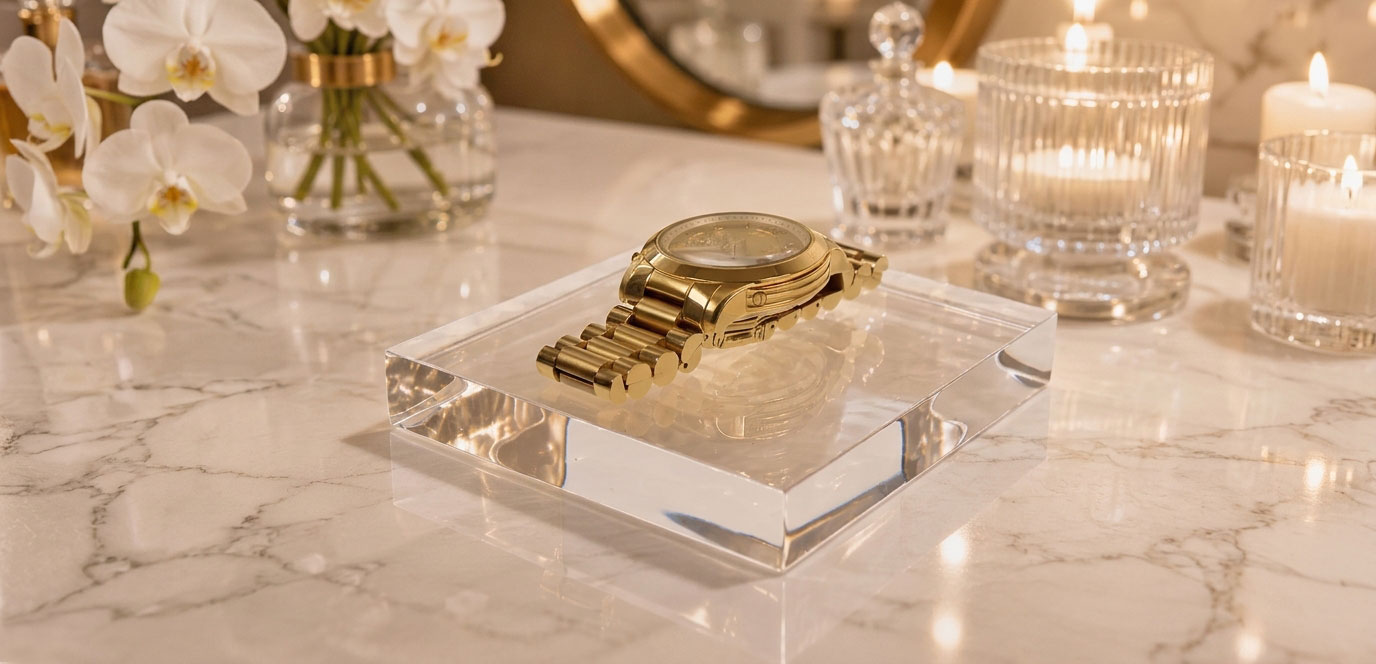
Displaying collectibles properly is not just about good looks. For retail store owners, wholesale resellers, and serious collectors, your display choice protects item value while boosting visual appeal.
Most buyers end up stuck between two mainstream options: acrylic display blocks and glass display blocks. Both offer crystal-clear transparency to highlight toys, watches, trading cards, and souvenirs.
However, material differences create huge gaps in safety, shipping cost, custom flexibility, and service life. Many bulk buyers waste money on fragile displays or low-quality materials that turn yellow quickly.
In this guide, we compare every practical factor to help you select the perfect collectible display block for personal collection or large-scale commercial projects.
Full Article Quick Overview:
● Clear side-by-side comparison of acrylic and glass display performance for collectibles
● Key differences in safety, customization, shipping cost, and long-term durability
● Exact use cases where acrylic or glass blocks work best
● Practical buying answers for wholesale and custom display orders
● Expert final verdict for commercial collectible display projects
1. What Are Acrylic Blocks & Glass Display Blocks?
What Is An Acrylic (PMMA) Display Block?
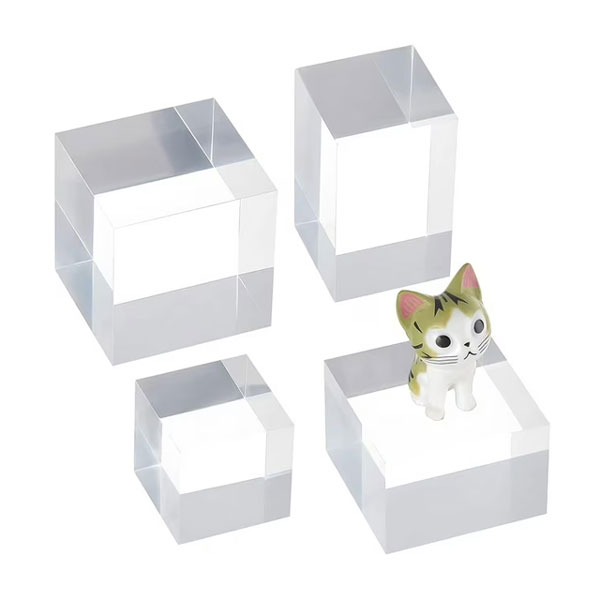
An acrylic display block is a transparent PMMA plastic material processed into solid square or rectangular blocks. It is a lightweight, modern display alternative designed for commercial and personal use.
Manufacturers cut, polish, and customize acrylic blocks into various sizes and shapes. It features high light transmittance similar to glass but with far better flexibility.
This display option is widely used for dolls, luxury watches, game cards, museum exhibits, and retail window displays.
What Is A Glass Display Block?
A glass display block is made of traditional soda-lime glass with high density and pure transparency. It has been used for premium display scenarios for decades.
Glass blocks deliver a heavy, high-end texture that many luxury brands prefer. The material provides ultra-clear vision with zero minor distortions.
Yet glass comes with natural drawbacks: heavy weight, fragile structure, and limited customization, making it less ideal for bulk wholesale orders.
Head-To-Head Comparison: Acrylic Block VS Glass Block
To help you compare intuitively, we summarize all core performance differences in the table below. Every item is tailored to collectible display and bulk purchasing needs.
|
Comparison Factor
|
Acrylic Display Block
|
Glass Display Block
|
|---|---|---|
|
Weight & Portability
|
Lightweight, easy to move and ship in bulk
|
Heavy, increases logistics burden and cost
|
|
Breakage & Safety Risk
|
Shock-resistant, no sharp broken pieces
|
Fragile, easy to crack with sharp, dangerous debris
|
|
Optical Clarity
|
High clarity, slight aging yellowing after years
|
Perfect transparent effect, no color change
|
|
Customization Ability
|
Strong: logo printing, cutting, engraving, any size
|
Weak: limited size and simple processing only
|
|
Durability
|
UV-resistant, long service life for indoor use
|
Scratch-resistant but easy to break by impact
|
|
Bulk Cost
|
Low unit price + low shipping fee
|
High material and transportation cost
|
|
Maintenance
|
Easy cleaning, avoid hard, sharp wiping
|
Easy to clean but risky during wiping and moving
|
Weight & Portability
Weight is one of the biggest differences affecting bulk purchase decisions. Acrylic blocks are nearly 50% lighter than glass blocks of the same size.
For retail stores that frequently adjust display layouts, lightweight acrylic is extremely convenient. It reduces manual labor and avoids handling fatigue.
For cross-border wholesale, lighter cargo lowers sea and air freight costs significantly, improving overall profit margins for resellers.
Safety & Breakage Risk
Collectibles are usually high-value items, so display safety is a top priority. Glass display block breaks easily when squeezed or dropped during shipping.
Broken glass produces sharp fragments that may scratch collectibles or hurt staff. Bulk orders often face compensation risks due to damaged goods.
Acrylic display block features excellent impact resistance. It rarely breaks during transportation or daily use, ensuring zero loss for bulk orders.
Clarity & Optical Performance
Glass delivers the purest, most transparent visual effect with zero light distortion. It is unmatched in static high-end display scenarios.
High-quality acrylic also achieves ultra-high clarity, enough to show collectible details perfectly. The visual gap is almost invisible to ordinary viewers.
Only after 5-8 years of long-term sun exposure will low-grade acrylic turn slightly yellow. Premium acrylic materials maintain crystal clarity for decades.
Customization Capabilities
Customization is a key advantage of acrylic collectible display blocks for commercial buyers. Factories can process acrylic into any size and shape.
You can add brand logo printing, laser engraving, chamfer polishing, grooving, and hollow processing. It fully meets personalized store branding needs.
Glass blocks are hard to reprocess. Custom shapes and logos require extremely high costs, with strict MOQ limits and long production cycles.
Durability & Long-Term Aging
Glass has strong scratch resistance and will not fade or age. It is very suitable for permanent fixed display environments.
Acrylic is softer and prone to minor scratches if not maintained properly. But premium UV-resistant acrylic effectively avoids yellowing and aging.
For most indoor retail and exhibition scenarios, acrylic’s durability is completely sufficient for long-term commercial use.
Cost & Wholesale Pricing
In terms of unit price, acrylic raw materials are cheaper than high-quality glass. The price advantage becomes more obvious in large bulk orders.
Coupled with lower shipping weight and almost zero breakage loss, acrylic display blocks bring far lower comprehensive procurement costs.
Glass blocks require thick foam packaging and strict container loading, which further increases packaging and logistics costs.
Maintenance & Cleaning
Daily maintenance of acrylic blocks is simple. Just wipe with a soft microfiber cloth and mild soapy water to remove dust and stains.
Avoid hard paper towels or metal tools to prevent surface scratches. Proper maintenance keeps acrylic blocks transparent for years.
Glass is scratch-resistant but fragile during cleaning. Slight collision during wiping may cause cracking and damage.
When Should You Choose An Acrylic Display Block?
Top Use-Cases for Acrylic Blocks
● Retail store display for watches, jewelry, toys, and trading card collectibles
● Exhibition booths, pop-up stores, and temporary display activities
● Cross-border wholesale and resale business with large order quantities
● Personal collection display with frequent layout adjustment needs
● Brand-customized display blocks with logo and personalized design
Benefits For Bulk Buyers & Retailers
For commercial buyers, an acrylic collectible display block solves multiple pain points at once. It cuts logistics costs and eliminates breakage compensation risks.
Flexible customization helps retailers build unique store brand images and improve product added value. Fast production cycles also support fast market iteration.
Lightweight features reduce after-sales problems and customer complaints, bringing stable and reliable sales returns.
When Should You Choose A Glass Display Block?
Top Use-Cases for Glass Blocks
● High-end luxury brand permanent exhibition halls and museum displays
● Static indoor display with no frequent movement or transportation
● Scenario requiring ultra-pure transparent visual texture and a heavy premium feeling
Limitations For Wholesale Purchasers
A glass display block is not friendly for bulk wholesale businesses. Its heavy weight greatly increases overall procurement and transportation costs.
A high breakage rate leads to unstable order quality and easy after-sales disputes. The lack of customization also limits commercial application scenarios.
Long production cycles and high MOQ thresholds make glass blocks unsuitable for small and medium batch customized orders.
Final Verdict: Which One Should You Buy For Your Collectible Display Project?
After comparing all dimensions, we have a clear conclusion for most buyers. For 90% of commercial wholesale, retail display, and personal collectible scenarios, an acrylic display block is the better choice.
It balances cost, safety, customization, and durability perfectly, with almost no obvious shortcomings in daily commercial use.
Only for high-end static permanent exhibition projects that pursue extreme texture and zero aging, a glass display block is worth investing in.
If you need customized, high-cost-performance collectible display blocks for bulk orders, professional acrylic manufacturers are your most reliable choice.
FAQ

Q1: What is the MOQ for custom acrylic display blocks?
Professional acrylic display manufacturers support flexible MOQ. Small batch customized orders are acceptable, and bulk wholesale orders enjoy larger discounts. It fully meets the needs of startup sellers and large distributors.
Q2: Are acrylic blocks safe for large bulk shipping with low breakage rates?
Yes. Acrylic has strong impact resistance. With standard carton and foam packaging, the breakage rate of bulk shipping is close to zero. It avoids the heavy loss and after-sales trouble of glass block transportation.
Q3: Can I print my brand logo on acrylic display blocks for resale?
Absolutely. Acrylic supports multiple customization processes, including silk screen printing, laser engraving, and UV printing. You can customize exclusive brand logos, patterns, and sizes to improve product competitiveness.
Q4: How long will clear acrylic blocks stay transparent without yellowing?
High-quality UV-resistant acrylic blocks can remain crystal clear for 8-10 years under normal indoor use. Only low-quality recycled acrylic will turn yellow in a short time. Premium materials ensure a long-term display effect.
Q5: What is the typical lead time for wholesale acrylic display orders?
Conventional-size stock orders can be shipped within 3-5 days. Customized shape, logo, and size orders take 7-15 working days, depending on order quantity and processing complexity.
Q6: Can I get samples before placing large wholesale orders?
Yes. Formal acrylic display block manufacturers support sample testing. You can get physical samples to check transparency, polishing quality, and material texture before bulk procurement, reducing purchasing risks.
Conclusion
Choosing between an acrylic display block and a glass display block ultimately depends on your usage scenario and business goals. For most collectible display needs, including retail sales, bulk resale, and daily collection display, acrylic is more practical and cost-effective.
It solves the core pain points of high cost, fragile risk, and inflexible customization of glass blocks, becoming the mainstream choice for modern display solutions.
If you are looking for stable-quality, customizable, low-cost wholesale acrylic display blocks, JAYI Acrylic is your trusted factory partner. With years of acrylic display production experience, we provide one-stop OEM/ODM customization, strict quality inspection, fast delivery, and professional after-sales service for global buyers.
Contact JAYI Acrylic today to get your customized display block quotation and samples for your collectible display projects.

Cathy Qin works at Jayi Acrylic Industry Limited, focusing on custom acrylic product management and SEO-driven content marketing for B2B wholesale and retail applications. Her work includes designing display solutions, managing customization projects, and optimizing website content to promote Jayi’s high-quality acrylic products across global digital channels.
Post time: Aug-28-2026