
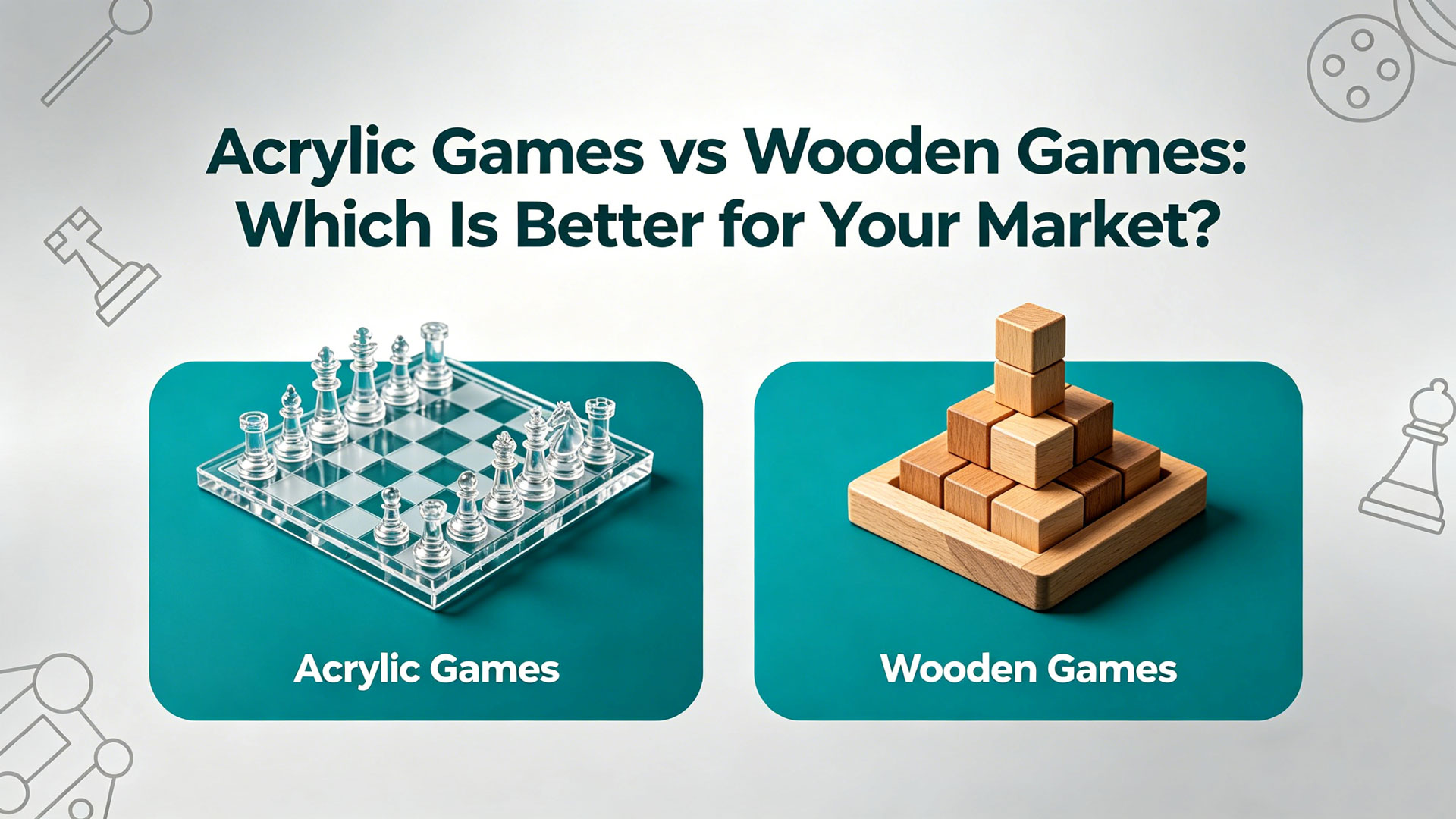
The global board game market is projected to grow steadily in the coming years, driven by increasing demand for interactive, screen-free entertainment.
As a retailer or brand, your choice of game material—acrylic or wood—directly impacts customer satisfaction, profit margins, and brand identity.
Acrylic, a synthetic polymer also known as PMMA, has emerged as a popular alternative to traditional materials, offering durability and modern flair. Wood, on the other hand, remains a staple for its natural warmth and timeless appeal.
But which one is better suited for your specific market? This blog dives deep into their pros, cons, market fit, and practical applications to help you decide.
Understanding Acrylic Games: Key Features and Market Advantages
Acrylic games are crafted from polymethyl methacrylate (PMMA), a clear, tough plastic that balances practicality with aesthetic appeal.
Unlike cheap plastics, acrylic boasts a glass-like finish, shatter resistance, and long-term color stability—making it a versatile choice for a wide range of game types.
Let’s explore its core features and why it might be the right fit for your market.
Durability and Practicality: Built for High Usage
One of acrylic’s biggest selling points is its durability. Unlike wood, which can warp, crack, or absorb moisture, acrylic is resistant to water, impact, and daily wear and tear.
This makes it ideal for high-traffic environments such as family entertainment centers, schools, daycares, and casual gaming spaces.
Acrylic games can withstand frequent handling by kids and adults alike without losing their shape or appearance, reducing returns and increasing customer satisfaction.
Additionally, acrylic is easy to clean—just a wipe with a damp cloth removes dirt and stains—making it a low-maintenance option for both retailers and end-users.
Customization and Aesthetics: Modern and Versatile
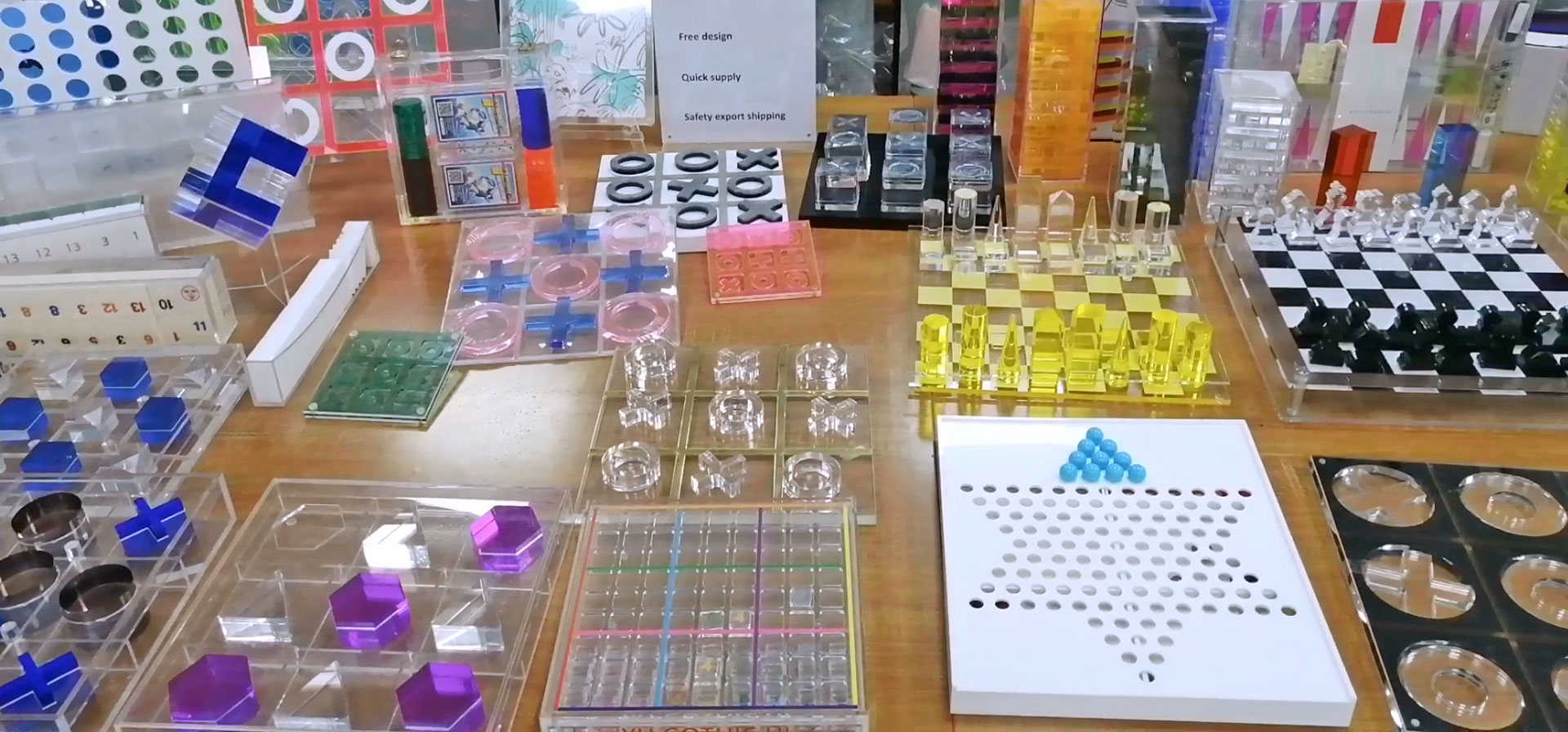
Acrylic’s malleability allows for extensive customization, a major advantage for brands looking to stand out. It can be cut into complex shapes, tinted in vibrant colors, or engraved with logos, designs, or game rules—perfect for custom corporate gifts, branded merchandise, or unique retail offerings.
Acrylic board games often feature a sleek, modern look that appeals to younger audiences and contemporary consumers, setting them apart from traditional wooden games.
Popular acrylic game categories include classic board games (chess, Connect 4, tic-tac-toe), educational games (dominoes, jigsaw puzzles), and custom mahjong sets—all of which benefit from acrylic’s premium, glass-like appearance.
Cost-Effectiveness for Bulk Orders
For wholesalers and retailers ordering in large quantities, acrylic offers significant cost advantages.
The manufacturing process for acrylic games—including injection molding and laser cutting—is highly scalable.
Once molds or designs are created, producing hundreds or thousands of units becomes relatively affordable, allowing suppliers to offer lower unit prices for bulk orders.
This makes acrylic games a budget-friendly option for businesses looking to stock a wide range of products without compromising on quality.
Additionally, acrylic is lighter than wood, reducing shipping costs for bulk orders—a key consideration for businesses operating in global markets.
Wooden Games: Timeless Appeal and Market Niche
Wooden games have been a cornerstone of tabletop entertainment for centuries, offering a natural, tactile experience that acrylic cannot replicate.
Crafted from hardwoods like maple, walnut, or oak, these games evoke nostalgia, craftsmanship, and sustainability—values that resonate deeply with a growing segment of consumers.
Let’s explore why wooden games still hold a strong position in the market.
Aesthetic and Tactile Appeal: Premium and Nostalgic
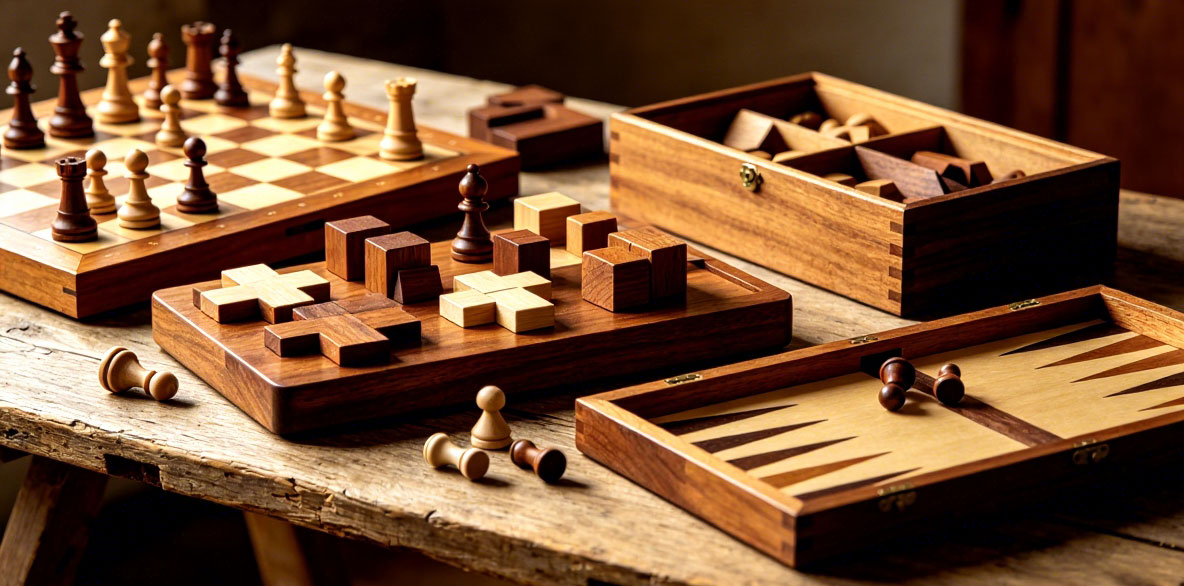
The warm, natural texture of wood creates a premium, inviting feel that acrylic games lack.
The sound of wooden pieces clacking together, the weight of a hand-carved token, and the polished finish of a wooden board all enhance the gaming experience, making it more immersive and memorable.
Wooden games often carry a nostalgic charm, appealing to consumers who value tradition and heirloom-quality items.
They are perfect for family game nights, where the tactile experience and classic design foster connection and shared memories.
Sustainability and Eco-Friendliness: A Growing Market Trend
As consumers become more environmentally conscious, wooden games have gained traction due to their eco-friendly nature.
High-quality wooden games are made from renewable resources, and many manufacturers use sustainable practices like FSC-certified wood and non-toxic, water-based finishes.
This aligns with the growing demand for eco-friendly products—especially among parents, educators.
Wooden games also have a longer lifespan than acrylic ones, reducing waste and appealing to sustainability-focused buyers.
Premium Pricing and Niche Markets
Wooden games typically command higher price points than acrylic games, thanks to their natural materials, craftsmanship, and premium appeal. This makes them ideal for niche markets such as luxury gifting, high-end retail, and collector’s items.
Handmade wooden games, in particular, are highly sought after for their unique designs and attention to detail, often selling at a premium to discerning consumers.
For example, wooden chess sets with inlaid maple and walnut boards or handcrafted Chinese checkers sets are popular among collectors and those looking for distinctive gifts.
Additionally, wooden games are a staple in educational markets, as their natural texture and durability make them suitable for frequent use in schools and daycares.
Head-to-Head Comparison: Acrylic vs Wooden Games
To help you make an informed decision, let’s compare acrylic and wooden games across key factors that matter to retailers and brands:
Durability and Maintenance
Acrylic: Shatter-resistant, water-resistant, and resistant to warping or cracking. Easy to clean with a damp cloth, requires minimal maintenance. Ideal for high-usage environments like schools, arcades, and family entertainment centers.
Wooden: Durable but susceptible to warping, cracking, and moisture damage if not properly cared for. Requires occasional polishing or oiling to maintain its finish. Not ideal for wet or high-humidity environments, but can last a lifetime with proper maintenance.
Cost and Profit Margins
Acrylic: Lower production costs for bulk orders, making it more affordable for retailers to stock. Lower price points appeal to budget-conscious consumers, but profit margins are generally slimmer due to higher competition.
Wooden: Higher production costs due to expensive materials and labor-intensive craftsmanship. Higher price points mean higher profit margins per unit, especially for handmade or premium designs. Appeals to consumers willing to pay more for quality and sustainability.
Market Fit and Target Audience
Acrylic: Ideal for casual gamers, families with young children, educational institutions, and brands looking for customizable, budget-friendly options. Popular in mass retail, online marketplaces, and promotional products. Appeals to younger audiences and those who prefer modern, sleek designs.
Wooden: Perfect for premium retail, gift markets, collectors, and sustainability-focused consumers. Popular in boutique stores, craft fairs, and high-end gift shops. Appeals to older audiences, families valuing tradition, and those willing to invest in heirloom-quality items.
Customization and Branding
Acrylic: Highly customizable—can be cut into any shape, tinted, engraved, or printed with logos. Ideal for branded merchandise, corporate gifts, and custom game sets. Offers more flexibility in design and color options.
Wooden: Customization is possible but more limited—usually through engraving, staining, or hand-painting. Handmade wooden games offer unique, one-of-a-kind designs, but mass customization is more expensive and time-consuming.
Which Is Better for Your Market? Practical Recommendations
The answer depends on your target audience, business goals, and market niche. Here are actionable recommendations to help you decide:
Choose Acrylic Games If…
● Your target audience is budget-conscious families, casual gamers, or educational institutions (schools, daycares).
● You need durable, low-maintenance products that can withstand frequent use and high traffic.
● You want to offer customizable options (branded logos, unique designs) for corporate gifts or promotional products.
● You’re ordering in bulk and want to minimize production and shipping costs.
Choose Wooden Games If…
● Your target audience is sustainability-focused consumers, collectors, or those looking for premium gifts.
● You want to position your brand as high-end, traditional, or eco-friendly.
● You’re targeting niche markets like boutique retail, craft fairs, or luxury gifting.
● You value tactile experience and timeless design over modern aesthetics.
Consider a Hybrid Approach
For many retailers and brands, the best strategy is to offer both acrylic and wooden games to cater to a wider audience.
For example, stock acrylic games for casual gamers and families, and wooden games for premium gifts and collectors.
This approach allows you to capitalize on the strengths of both materials and maximize your market reach.
You can also offer hybrid games—such as wooden boards with acrylic pieces—that combine the best of both worlds, appealing to a broader range of consumers.
Market Trends to Watch in 2026 and Beyond
● Sustainability: The demand for eco-friendly products will continue to grow, favoring wooden games made from sustainable materials and non-toxic finishes. Brands that highlight their environmental practices will have a competitive edge.
● Customization: Consumers are increasingly seeking personalized products, making acrylic’s customizable features more valuable. Brands that offer custom engraving, color options, or branded designs will stand out.
● Educational Games: Both acrylic and wooden educational games (puzzles, dominoes, math games) are growing in popularity, driven by parents and educators looking for screen-free learning tools. Acrylic’s durability makes it ideal for classroom use, while wooden games appeal to home learning environments.
● Premiumization: The market for high-end, handcrafted games is expanding, with consumers willing to pay more for unique, well-made products. Wooden games, especially handmade ones, are well-positioned to capitalize on this trend.
FAQ

Are acrylic games more expensive to produce than wooden games?
Generally, acrylic games are less expensive to produce in bulk than wooden games.
Acrylic manufacturing uses efficient processes like laser cutting and molding, with lower material and labor costs for mass production.
Wooden games require more craftsmanship, higher-quality raw materials, and more finishing work, driving up unit costs.
However, small-batch custom acrylic pieces may cost more than simple wooden items. For wholesale and large orders, acrylic is almost always the more budget-friendly option.
Do wooden games have a longer lifespan than acrylic games?
Wooden games can last for decades with proper care and are often seen as heirloom pieces. Yet acrylic games are highly durable, shatter-resistant, waterproof, and resistant to warping or rotting.
In high-traffic, humid, or rough-use environments like schools or family spaces, acrylic often outlasts wood.
With regular maintenance, wood can last longer, but for low-fuss, long-term daily use, acrylic delivers a longer practical lifespan with less damage.
Which material is better for customizable game products?
Acrylic is far better for highly customizable games.
It supports precise laser cutting, vibrant color tinting, UV printing, and clean engraving for logos, patterns, and text.
It can be formed into complex shapes easily. While wood can be engraved or stained, its customization options are limited by grain, texture, and natural color.
Acrylic allows consistent, detailed branding and design at scale, making it the top choice for personalized promotional, corporate, and retail game sets.
How do sustainability concerns affect consumer choice between acrylic and wooden games?
Sustainability strongly influences buying decisions.
Eco-conscious shoppers often prefer wooden games, especially those made from FSC-certified or renewable wood, as wood is biodegradable and natural.
Acrylic is a plastic-based material, which raises recycling concerns. However, modern acrylic is more recyclable than before, and its long lifespan reduces waste.
Many buyers choose wood for green branding, while others accept acrylic for its durability and lower overall resource use in mass production.
Conclusion
Acrylic and wooden games each have unique strengths that make them suitable for different markets.
● Acrylic games excel in durability, customization, and modern aesthetics, ideal for high-traffic settings and brands prioritizing versatility.
● Wooden games offer timeless charm, eco-friendliness, and premium appeal, resonating with sustainability-focused consumers and classic game enthusiasts.
● Cost structures differ significantly: acrylic is more cost-effective for bulk orders, while wooden games command higher price points due to material and craftsmanship.
● Market trends show acrylic gaining traction in casual and educational segments, while wooden games thrive in premium gifting and family markets.
By understanding the key differences, market trends, and practical considerations outlined in this guide, you can make an informed decision that drives sales, enhances customer satisfaction, and positions your brand for success in the competitive tabletop game market.
Whether you choose acrylic, wood, or a hybrid approach, focusing on quality and aligning with your audience’s values will ensure long-term success.
JAYI: China's Best Acrylic Games Wholesaler and Manufacturer

Established in 2004, JAYI Acrylic is a top-tier Chinese manufacturer & wholesaler specializing in premium acrylic games.
With ISO9001 & SEDEX certifications, we offer OEM/ODM/wholesale services for chess, backgammon, Connect 4, tumbling towers, and custom sets.
Our 10,000㎡ factory delivers full customization (colors, logos, sizes), strict QC, fast lead times (3–7 days for samples, 15–35 days for bulk), and competitive pricing.
Trusted by global retailers, we combine durable, luxury acrylic designs with reliable bulk production to elevate your game collection.

Cathy Qin
Cathy Qin works at Jayi Acrylic Industry Limited, focusing on custom acrylic product management and SEO-driven content marketing for B2B wholesale and retail applications. Her work includes designing display solutions, managing customization projects, and optimizing website content to promote Jayi’s high-quality acrylic products across global digital channels.
Post time: Apr-21-2026