
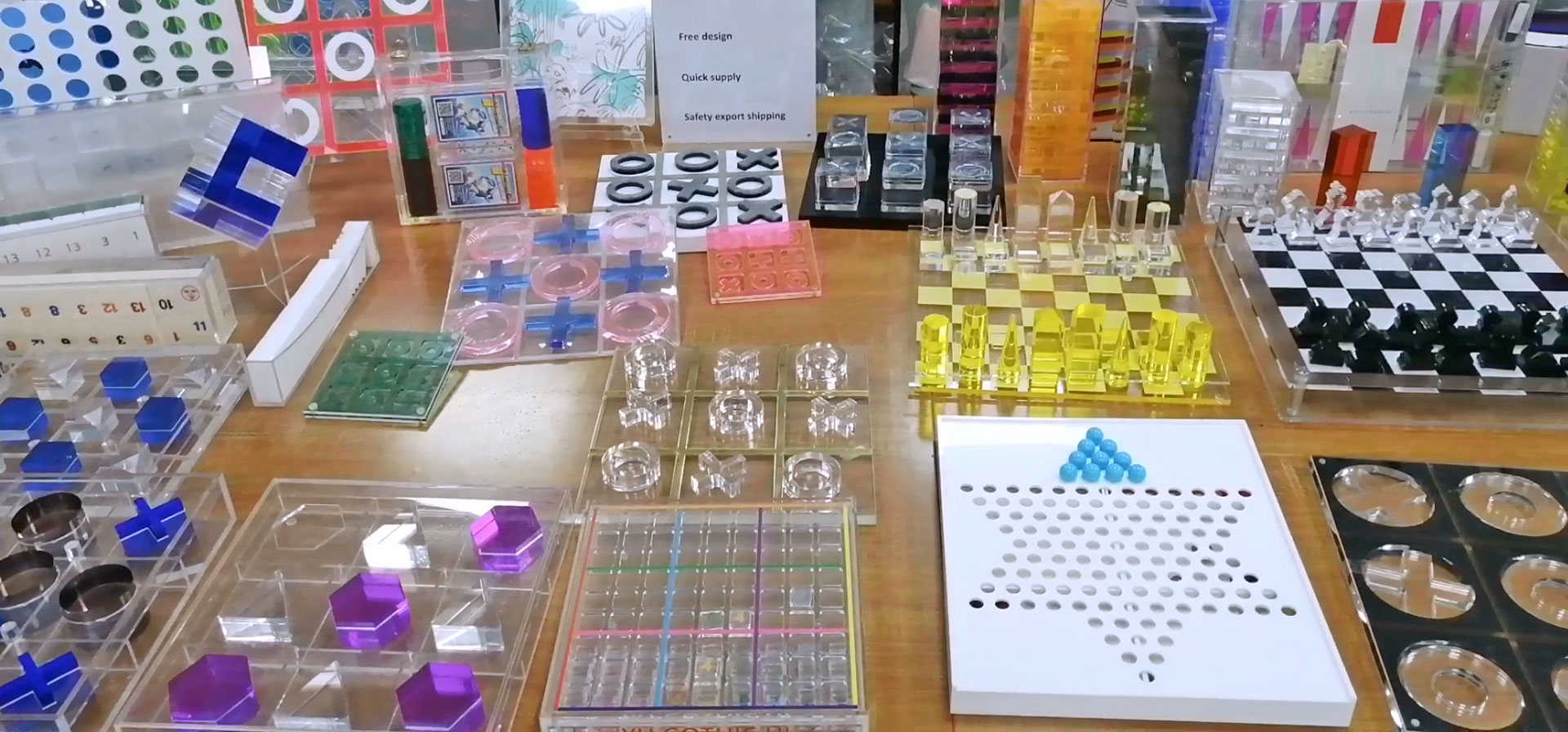
Original equipment manufacturing projects for acrylic board game components involve development processes that differ substantially from standard catalog purchasing.
Understanding how custom acrylic game pieces evolve from concept to production helps buyers collaborate more effectively with manufacturers and avoid common development pitfalls.
This behind-the-scenes look at OEM game development provides valuable context for buyers undertaking custom projects.
Custom acrylic game component development combines design creativity with manufacturing engineering in ways that require specialized expertise.
The material properties of acrylic, tooling requirements for precision components, and quality control considerations all influence final product outcomes.
Buyers who understand these factors can provide better guidance and make more informed decisions throughout development.
Initial Concept and Design Phase
Custom acrylic game component development begins with concept exploration that defines product vision and functional requirements. Designers create initial concepts through sketching, digital modeling, or reference-based adaptation from existing products. For OEM projects, this phase often involves close collaboration between buyer design teams and manufacturer engineering resources.
Functional requirements must be clearly defined alongside aesthetic goals. Game pieces serve practical purposes—stacking, moving, distinguishing—that influence design decisions beyond pure visual appeal. Weight requirements affect material selection and potentially internal weighting strategies. Size constraints impact piece visibility, storage, and manufacturing economics.
Visual design should consider manufacturing capabilities and cost implications. Designs requiring exotic materials, complex shapes, or intricate details may be technically possible but economically impractical. Early manufacturer consultation helps identify design elements that create manufacturing challenges before substantial design investment occurs.
Material Selection and Testing
Acrylic materials span a wide quality spectrum from commodity grades to optical-quality materials with specific performance characteristics. Material selection influences appearance, durability, weight, and ultimately product cost. Buyers must balance quality requirements against budget constraints while ensuring materials meet intended use conditions.
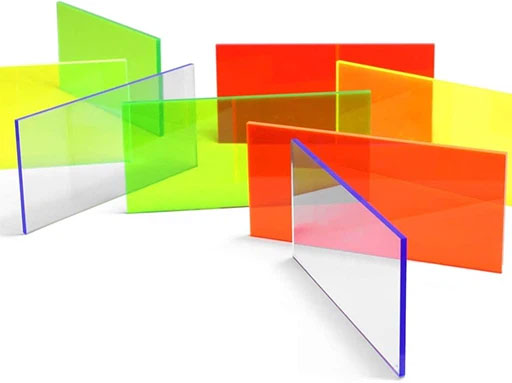
Standard acrylic offers good clarity and durability at reasonable cost for most gaming applications. UV-resistant formulations prevent yellowing for products exposed to sunlight. Impact-modified grades provide enhanced durability for products facing rough handling. Metallic or pearl finishes create premium aesthetics for gift-oriented products.
Material testing validates performance characteristics before committing to full production. Samples should be tested for color stability, impact resistance, and surface hardness appropriate for intended use. Products intended for food contact or children's use require specific material certifications that add cost and lead time requirements.
Tooling Design and Manufacturing
Custom acrylic board game pieces typically require dedicated tooling—molds, dies, or forms—that shapes raw materials into finished components. Tooling design translates product specifications into manufacturing equipment that produces consistent parts at scale. Tooling costs represent significant investments that must be amortized across production volume.
Modern tooling design employs CAD software and precision machining that creates complex tooling geometries with excellent consistency. Quality tooling produces parts with minimal variation between pieces and extended tool life that supports large production runs. Poor tooling design creates problems including part defects, dimensional inconsistencies, and premature tool wear.
Buyers should understand tooling ownership arrangements before committing to OEM projects. Some suppliers own tooling developed for previous projects, enabling faster development and shared costs. New tooling for unique designs may be customer-owned or supplier-owned depending on project arrangements. Tool ownership affects future production options if you need to move production between suppliers.
Prototype Development and Validation
Prototype development creates physical samples that validate design concepts before committing to production tooling. Prototypes may use 3D printing, CNC machining, or rapid tooling methods that produce sample quantities faster than production tooling allows. This phase reveals design issues that CAD models cannot predict.
Prototype testing should simulate intended use conditions as closely as possible. Game pieces should be handled, stacked, dropped, and played with to reveal functional limitations. Packaging prototypes verify fit and presentation before packaging tooling is created. Multiple prototype iterations are normal for products where quality expectations are high.
Documentation from prototype testing should capture specific issues requiring design modification alongside positive feedback validating successful elements. This documentation guides subsequent design refinement and provides acceptance criteria for tooling validation samples.
Production Tooling and Sampling
Production tooling fabrication translates validated prototypes into manufacturing equipment for volume production. Tooling creation requires substantial time investment—typically three to six weeks for complex game components. Tool wear during initial production runs may require tooling adjustments before achieving optimal output quality.
Initial production samples validate that tooling produces acceptable parts consistently. Sample evaluation should employ statistical sampling methods that verify process capability rather than inspecting individual pieces. Dimensional measurements, visual inspection, and functional testing collectively confirm production readiness.
Production sampling often reveals issues requiring tooling modification—minor adjustments that improve consistency or resolve defect patterns. These refinements are normal parts of the development process and should be anticipated in project timelines. Buyers should participate actively in sample evaluation to ensure production quality meets expectations.
Quality Control Systems
Production quality maintenance requires ongoing monitoring that identifies variation before it creates defect escapes. Professional manufacturers employ quality control systems including incoming material inspection, in-process checks, and finished product verification. Understanding supplier quality practices helps buyers evaluate production risk.
Statistical process control techniques monitor production parameters that influence product quality, enabling corrective action before defective products accumulate. Charts tracking dimensions, weights, and defect rates reveal process trends that manual inspection cannot detect. Quality documentation provides traceability that supports problem investigation when issues arise.
Acceptance quality limits define acceptable variation ranges for product characteristics. Establish clear acceptance criteria before production begins to avoid disputes about whether specific samples meet quality requirements. Professional suppliers provide certificates of conformance that document quality verification for each production lot.
Cost Factors in Component Development
Component development costs accumulate across multiple phases including design, prototyping, tooling, and production. Each phase represents investment that must be recovered through production volume or per-unit pricing adjustments. Understanding cost structure helps buyers evaluate pricing fairness and identify optimization opportunities.
Tooling costs vary dramatically based on complexity, precision requirements, and material compatibility. Simple flat pieces require minimal tooling investment while complex multi-piece assemblies may require substantial tooling development. Tooling amortization spreads these costs across production quantity, creating volume-based pricing tiers.
Material costs fluctuate based on acrylic pricing, color selection, and quality grade. Standard clear acrylic represents baseline material cost while specialty colors, metallic finishes, or premium optical materials command significant premiums. Material selection should consider both aesthetic requirements and budget constraints.
FAQ

How long does custom acrylic game component development typically require?
Custom acrylic game component development typically spans 8 to 16 weeks from concept approval through production-ready samples. Complex products with extensive customization may require additional time for tooling refinement and testing.
What percentage of development projects require significant design revisions?
Most custom development projects involve at least one design revision cycle. Complex products with multiple components or novel features often require two or three iterations before achieving production-ready quality.
How do buyers protect proprietary designs with contract manufacturers?
Confidentiality agreements protect design information during OEM relationships. Documentation of design ownership and clear intellectual property provisions in supplier agreements prevent unauthorized use or disclosure of custom designs.
What quality certifications should custom acrylic game components carry?
Relevant certifications depend on target market requirements. Common certifications include material safety verification, environmental compliance documentation, and quality management system certification. Children's products often require specific safety testing and certification.
Conclusion
Custom acrylic game piece development involves systematic processes that transform concepts into production-ready products.
Understanding these development phases helps buyers provide better guidance and collaborate more effectively with manufacturers throughout projects.
Invest adequate time in early development phases where changes remain inexpensive. Prototype thoroughly before committing to production tooling.
Establish clear quality expectations and acceptance criteria before production begins. Build relationships with manufacturers whose engineering capabilities and quality systems support your product requirements.
JAYI: Professional Acrylic Games Developer and Manufacturer in China
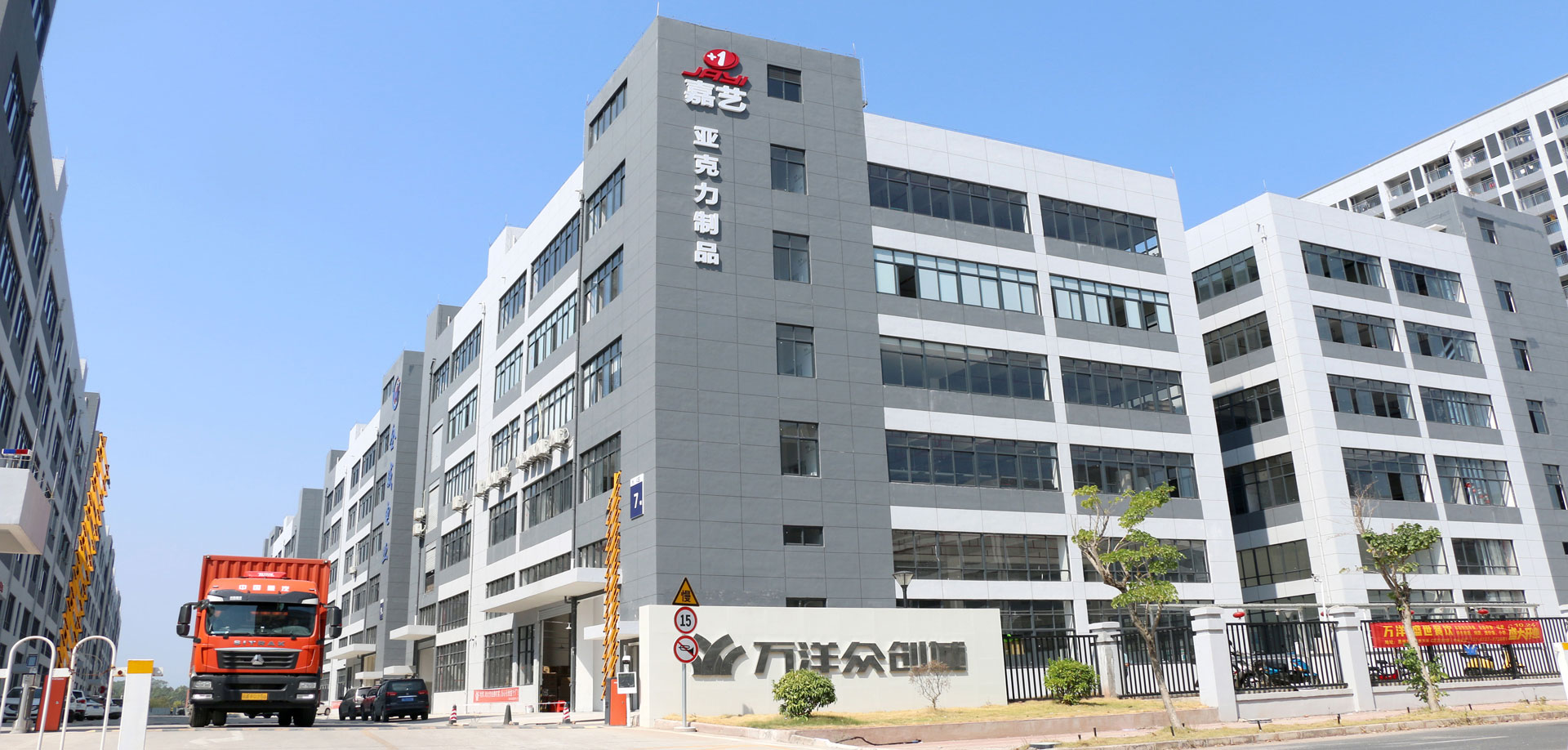
Founded in 2004, JAYI Acrylic is a professional acrylic games developer and manufacturer based in China.
We specialize in designing and producing custom acrylic American mahjong sets, chess, backgammon, tumbling tower and other classic board games.
Equipped with ISO9001 and SEDEX certifications, we provide premium OEM and ODM customization services.
With professional R&D capability, strict quality control and factory direct supply, we serve global wholesalers, brands and distributors with reliable products and thoughtful service.

Cathy Qin
Cathy Qin works at Jayi Acrylic Industry Limited, focusing on custom acrylic game product management and SEO-driven content marketing for B2B wholesale and retail applications. Her work includes designing display solutions, managing customization projects, and optimizing website content to promote Jayi’s high-quality acrylic products across global digital channels.
Post time: May-04-2026