
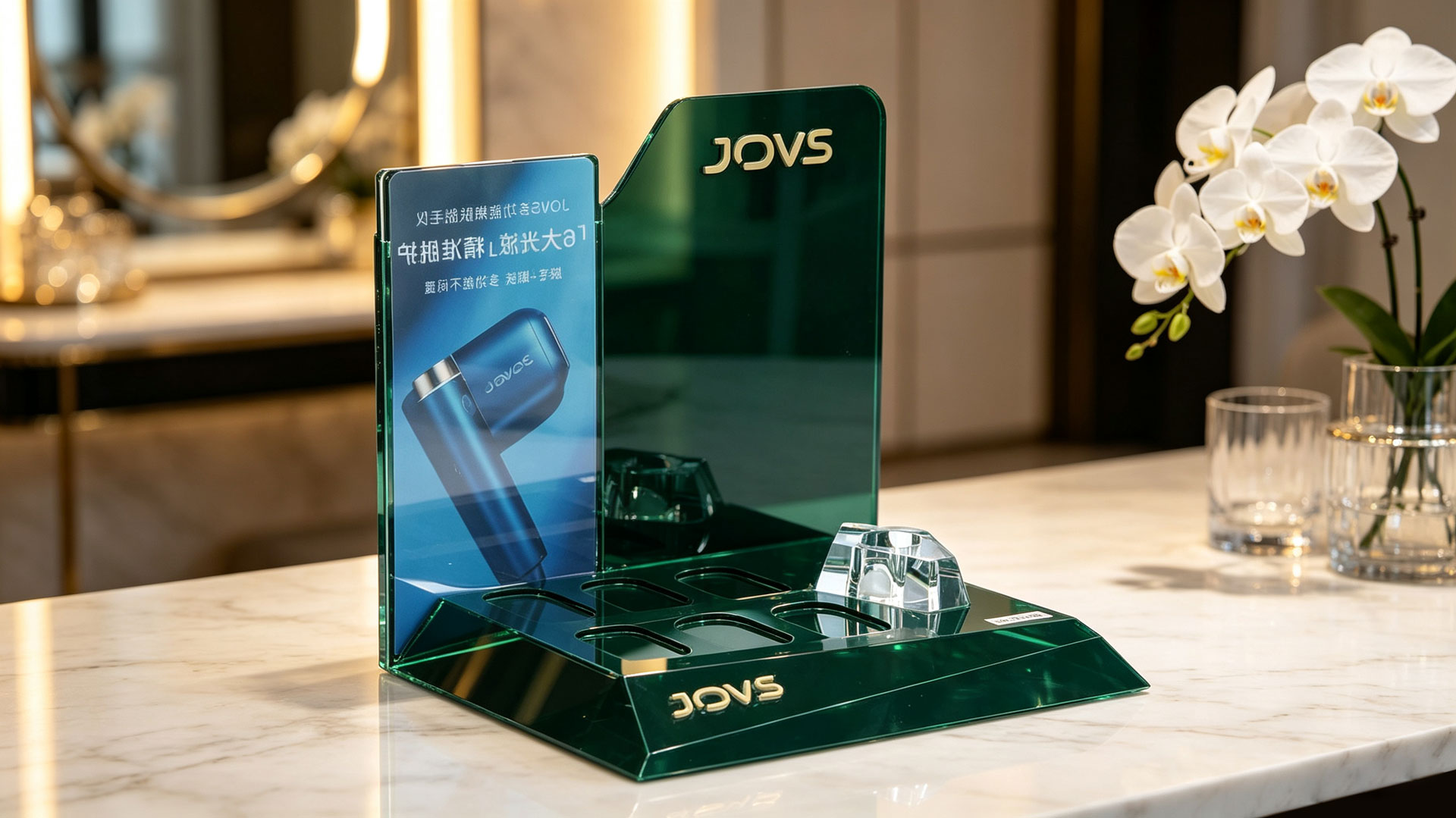
This practical acrylic display stand raw material selection tutorial is a professional and scenario-based custom acrylic display material guide for overseas brand purchasers. Raw material quality directly determines the texture, durability, and overall cost of finished acrylic display racks, making material selection the most critical step in custom manufacturing.
Many custom display defects, short service life, and excessive budget waste stem from incorrect material matching rather than poor processing techniques. This article is a dedicated subdivision chapter of the Custom Acrylic Displays Manufacturing Complete Guide, focusing on helping buyers select the most suitable acrylic sheets for different display scenarios.
Key Takeaways:
• Acrylic plate thickness directly decides load-bearing capacity, requiring matching with actual product weight
• Different acrylic surface finishes create diverse visual styles to fit unique brand positioning
• Virgin vs recycled acrylic for display racks differs greatly in appearance, lifespan, and cost performance
• Special functional acrylic materials meet safety standards for food contact and high-risk environments
• Scientific material selection balances display effect, durability and long-term comprehensive cost
Why Raw Material Selection Is Critical for Custom Acrylic Displays
Raw material quality determines finished product performance
In custom acrylic display production, raw materials are the foundation of all finished product performance. No matter how advanced the cutting, polishing, and bonding processes are, low-quality acrylic sheets will lead to irreversible flaws. Poor materials often cause blurry transparency, surface bubbles, fine scratches, and structural instability.
A reliable custom acrylic display material guide always prioritizes material quality inspection first. Only qualified raw materials can support high-precision processing and ensure consistent finished product quality for batch customization orders.
Three core benefits of correct material selection
Professional acrylic display stand raw material selection brings three core advantages for commercial display projects.
• First, it delivers premium visual texture to upgrade brand display grade.
• Second, it improves product durability and avoids frequent replacement.
• Third, reasonable material matching effectively controls comprehensive costs.
It avoids over-investing in high-end materials for temporary use scenarios and prevents low-cost inferior materials from causing later maintenance losses.
Core status of material selection in customization workflow
Material selection is the primary link in the entire acrylic display customization process. All subsequent design optimization, structural design, and process selection must adapt to the selected acrylic material properties.
Ignoring material matching will lead to disjointed design and actual production. Even with exquisite design drawings, the final display effect cannot meet brand expectations, resulting in secondary modification costs and delayed delivery cycles.
Acrylic Sheet Thickness Selection by Load-Bearing & Scenario

Load-bearing rules of different acrylic thicknesses
Acrylic plate thickness is the core factor affecting structural stability and load-bearing capacity. Thinner sheets feature light weight and flexibility, while thicker sheets provide stronger hardness, pressure resistance, and anti-deformation performance.
Unreasonable thickness matching is a common industry pitfall. Excessively thin sheets cannot bear heavy products and will bend or collapse over time. Overly thick sheets cause unnecessary material waste and increase transportation costs.
Thin acrylic sheets for light small ornaments
Acrylic sheets with 2–3mm thickness are ideal for lightweight display items, including jewelry, earrings, necklaces, mini cosmetics, and small handicrafts. These thin sheets create a lightweight and delicate display structure.
They are widely used for layered partitions, price tag brackets, and auxiliary display parts in retail stores. With low cost and flexible processing, they are the best choice for lightweight commercial display scenarios.
Thick acrylic sheets for heavy electronic products
Acrylic sheets above 5mm have excellent load-bearing and impact resistance, suitable for displaying heavy items such as mobile phones, tablets, speakers, and household electronic products.
For long-term fixed display in shopping malls and exhibition halls, thick acrylic sheets maintain a stable structure for years. They resist daily extrusion and collision, ensuring display safety and reducing product update frequency.
Performance Advantage: Durable, Lightweight & Stable Structure
Light weight for easy transportation and store layout adjustment
Acrylic display fixtures are significantly lighter than solid wood, stainless steel, and glass display structures.
They feature lightweight texture and an integrated assembly design, which can be easily carried, disassembled, assembled, and rearranged by a single person without professional tools or heavy labor support.
This unique lightweight advantage is highly suitable for chain brand stores that need frequent layout adjustments, as well as exhibition merchants and promotional sellers with mobile, temporary, and cross-city display demands.
Excellent weather resistance, anti-yellowing and anti-deformation
Premium cast acrylic adopted for custom displays has extremely stable physical and chemical properties.
It effectively resists daily oxidation, ultraviolet aging, and yellowing, maintaining a crystal-clear appearance for years. It will not deform, crack, or fade under normal indoor temperature and humidity changes.
Compared with wooden materials that easily absorb moisture and mold, and low-grade plastic that ages and deforms quickly, custom acrylic displays deliver a far longer service life and a more stable long-term use effect in commercial scenarios.
Strong load-bearing and impact resistance for long-term reuse
Although acrylic is lightweight, high-quality cast acrylic sheets boast excellent toughness and strong impact resistance.
It is not easy to break or crack like fragile glass, ensuring safe daily commercial use and transportation.
With professional structural optimization and thickness customization, acrylic displays can stably bear cosmetics, jewelry, electronic products, collectibles, and other daily retail goods, supporting long-term repeated commercial use without structural failure.
Acrylic Surface Finish Selection for Brand Positioning
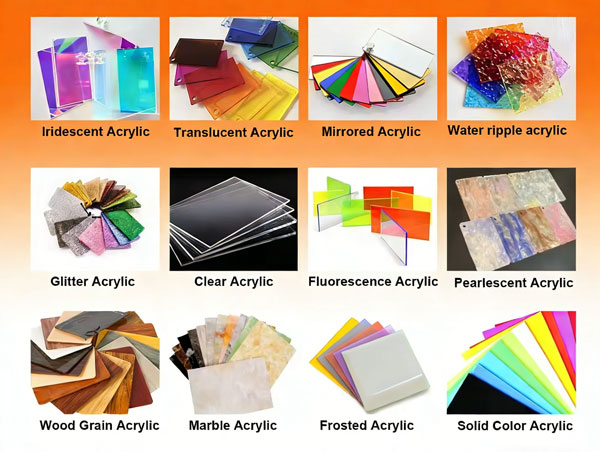
Different acrylic surface finishes shape completely different display styles, which can accurately match diverse brand positioning and store decoration tones. The following table clearly sorts out applicable scenarios for mainstream acrylic finishes.
|
Acrylic Finish Type
|
Visual Style
|
Applicable Brand Scenarios
|
|---|---|---|
|
Transparent
|
Clear, bright, minimalist
|
Daily retail, electronic products, general exhibition
|
|
Frosted
|
Soft, low-key, high-end
|
Luxury jewelry, high-end cosmetics, boutique display
|
|
Colored
|
Vivid, personalized, trendy
|
Fashion accessories, children’s products, brand promotion
|
|
Mirror
|
Fashionable, layered, advanced
|
Window display, art exhibition, high-end customized display
|
Transparent acrylic: classic universal display material
Transparent acrylic boasts over 92% light transmittance, with a display effect close to ultra-clear glass. It is lightweight and shatterproof, far more practical than glass materials for commercial display.
It does not compete with displayed products for visual focus, fully restoring product details. It is the most widely used material in daily retail, electronic product display, and conventional exhibition scenarios.
Frosted acrylic: high-end matte texture display
Frosted acrylic adopts a professional matte treatment to eliminate strong light reflection and glare problems. It presents a soft, delicate, and low-key high-end texture.
High-end jewelry brands and luxury cosmetic stores prefer frosted acrylic. It can effectively enhance the overall grade of display scenes and create a quiet and premium shopping atmosphere.
Colored & mirror acrylic: personalized brand customization
Colored acrylic can be customized to match brand VI colors, creating unique store visual recognition. It is very suitable for fashion brands, trendy accessories, and creative product displays.
Mirror acrylic has strong reflective properties, which can enrich window display space. It is commonly used in art exhibitions and high-end customized display projects to create a fashionable, advanced atmosphere.
Virgin vs Recycled Acrylic for Display Racks: Full Comparison
One of the most confusing questions for overseas buyers is choosing between virgin acrylic and recycled acrylic. This comprehensive comparison of virgin vs recycled acrylic for display racks covers appearance, durability, and cost, helping you avoid selection mistakes.
Surface finish and appearance difference
Virgin acrylic is made of 100% pure new raw materials, with uniform texture, zero impurities, and high light transmittance. After fine polishing, the edge is crystal clear without burrs or foggy traces.
Recycled acrylic is processed from recycled materials, inevitably containing tiny impurities and air bubbles. The surface is slightly foggy, and the processed edge is dull, with obvious gaps in overall fineness compared with virgin materials.
Aging resistance and service life gap
Virgin acrylic has excellent UV resistance and aging resistance. It can be used indoors for more than 10 years without yellowing, brittleness, or deformation, adapting to long-term fixed commercial displays.
Recycled acrylic has poor structural stability. After 1–2 years of use, it is prone to yellowing and cracking, especially in light-exposed environments. It cannot support long-term high-standard display needs.
Cost and applicable scenario differentiation
Recycled acrylic has a low raw material cost, is suitable for short-term temporary exhibitions, promotional activities, and low-budget display props with low service life requirements.
Virgin acrylic has a higher upfront cost but an ultra-long service life and zero frequent maintenance costs. It is the first choice for high-end brand stores, fixed store display, and long-term commercial display projects.
Functional Acrylic Materials for Special Display Scenarios
Conventional acrylic materials can only meet basic display needs. For special scenarios involving food contact, high-frequency friction, and fire risk, professional functional acrylic sheets are required to meet safety and durability standards.
Scratch-resistant acrylic for high-frequency use
Retail counters and supermarket displays face frequent product placement and manual friction. Ordinary acrylic surfaces are prone to leaving permanent scratches, affecting display aesthetics.
Scratch-resistant acrylic adopts surface hardening technology, with strong friction resistance. It keeps the surface smooth and flawless for a long time, perfectly adapting to high-frequency commercial display scenarios.
Fireproof acrylic for high-fire-risk environments
Large shopping malls, exhibition centers, and indoor public spaces have strict fire safety regulations. Ordinary acrylic is flammable and cannot pass official fire inspections.
Fireproof acrylic has stable flame-retardant performance, which can prevent flame spread and meet international commercial fire safety standards. It is a mandatory material for public space display facilities.
Food-grade acrylic for food contact scenarios
Bakeries, dessert shops, and fresh food display scenarios require non-toxic and safe display materials. Ordinary acrylic may contain harmful substances and cannot be in direct contact with food.
Food-grade acrylic passes FDA food safety certification, featuring non-toxic, odorless, and safe contact performance. It fully meets the display standards of food and cosmetic contact scenarios.

Scientific Principles for Acrylic Raw Material Selection
Qualified acrylic display stand raw material selection must follow scientific rules, avoiding blind price pursuit or excessive high matching. The three core principles help buyers maximize product cost performance.
Match material performance with product weight
Take product weight as the primary selection basis. Light ornaments match thin and lightweight acrylic sheets to ensure an elegant structure and cost control. Heavy products must use thick sheets to guarantee load-bearing safety.
Avoid two common mistakes: thin sheets for heavy goods causing deformation, and thick sheets for light goods causing material waste.
Match material appearance with brand positioning
Coordinate acrylic surface style with brand tonality. Minimalist daily brands choose transparent acrylic for clean display effects. Luxury high-end brands select frosted and mirror acrylic to improve premium texture.
Fashion and creative brands can customize colored acrylic matching brand colors to form exclusive store display features.
Balance performance, service life and comprehensive cost
Evaluate cost performance based on actual usage cycle. Short-term temporary displays can choose recycled acrylic to control budget. Long-term fixed displays must adopt virgin acrylic to reduce later replacement and maintenance costs.
Focus on long-term comprehensive benefits rather than one-time purchase price, ensuring stable display effect and sustainable use of display racks.
FAQ

Which acrylic thickness is most cost-effective for daily display stands?
3mm to 4mm acrylic sheets are the most cost-effective for daily cosmetics, small commodities, and ornaments. They balance load-bearing capacity, structural aesthetics, and material cost, suitable for most conventional retail display scenarios.
Is recycled acrylic suitable for high-end brand custom displays?
No. In the comparison of virgin vs recycled acrylic for display racks, recycled acrylic has obvious defects in appearance and durability. It cannot meet the high standards and long-term display needs of high-end brands.
Does food-grade acrylic need special daily maintenance?
It only needs daily simple cleaning with a soft damp cloth. No special maintenance is required. Avoid sharp scratches and high-temperature exposure to maintain long-term food-grade safety performance.
How to distinguish virgin acrylic from recycled acrylic?
Virgin acrylic is highly transparent with pure color and crystal polished edges. Recycled acrylic is slightly foggy with tiny impurities, dull color and unsmooth polished edges.
What acrylic material is best for exhibition hall displays?
Fireproof and scratch-resistant composite functional acrylic is the best choice. It meets public place fire safety standards and resists crowd friction and collision during exhibitions.
Does frosted acrylic affect product display effects?
It will not affect high-end product display. Frosted acrylic avoids strong light reflection, makes product details softer and more advanced, and is more suitable for luxury display than ordinary transparent materials.
Conclusion
As the core link of custom acrylic display production, acrylic display stand raw material selection determines the final texture, safety, durability, and comprehensive cost of display equipment. A professional custom acrylic display material guide can help overseas buyers completely avoid industry pitfalls such as mismatched thickness, inappropriate surface finish, and unreasonable material grade selection.
Through systematic comparison of thickness specifications, surface styles, virgin vs recycled acrylic for display racks, and special functional materials, buyers can form a clear selection logic: match thickness by product weight, select appearance by brand positioning, and confirm material grade by usage cycle and safety scenario. This scientific matching method can maximize display value and control procurement costs accurately.
Different from simple material stacking, standardized acrylic material selection focuses on scenario adaptation and long-term stability. Whether it is daily retail display, high-end luxury product display, food contact scenarios, or public fire-risk environments, targeted acrylic raw material solutions can achieve the best display effect and service life.
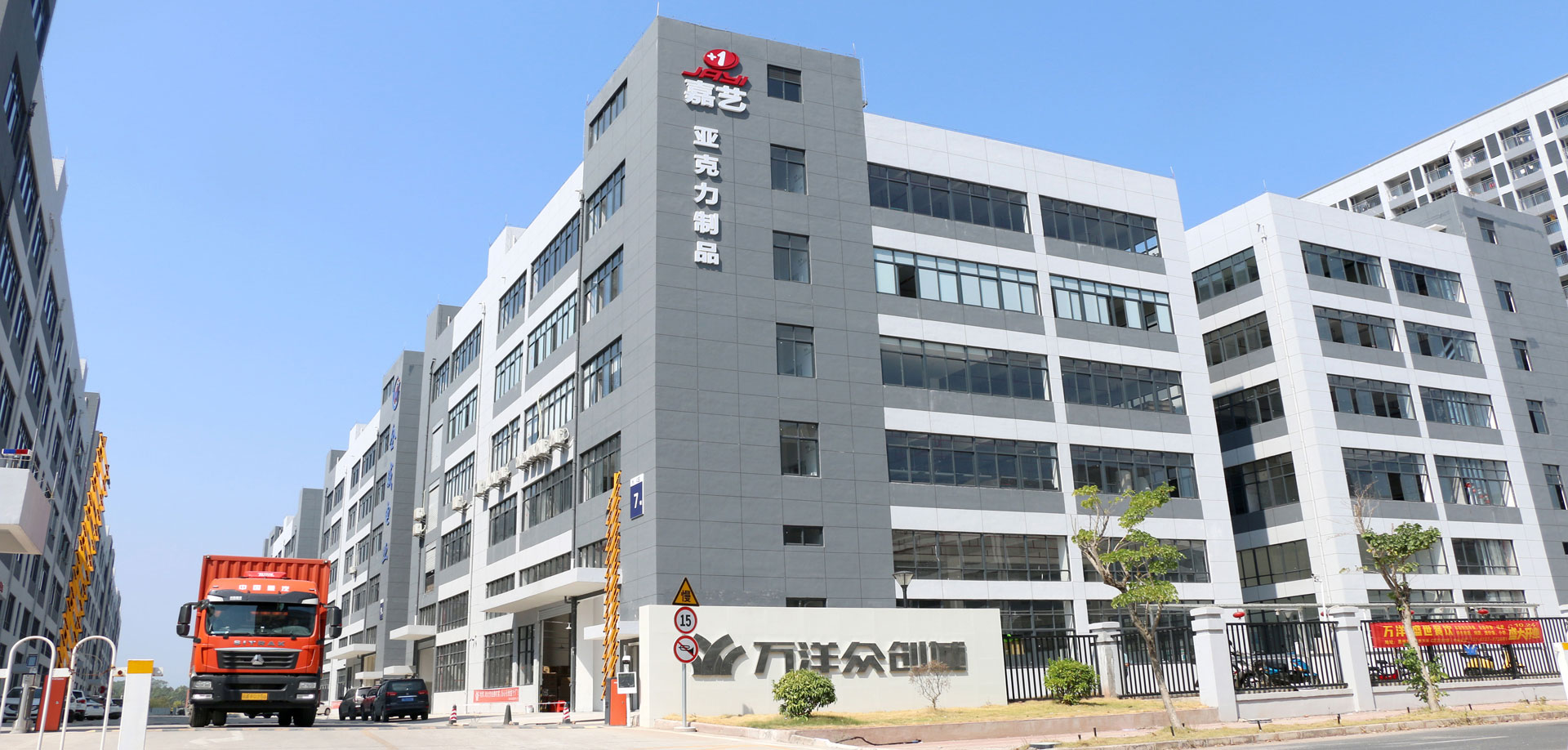
With over 20 years of custom acrylic display stand manufacturing experience, JAYI Acrylic Manufacturer adheres to strict raw material screening standards for all customized display products.
We provide professional material selection consultation, personalized scheme customization, and full-process production services for global brand buyers, helping every customer obtain high-quality, cost-effective, and scenario-matched acrylic display solutions.

Cathy Qin works at Jayi Acrylic Industry Limited, focusing on custom acrylic product management and SEO-driven content marketing for B2B wholesale and retail applications. Her work includes designing display solutions, managing customization projects, and optimizing website content to promote Jayi’s high-quality acrylic products across global digital channels.
Post time: Jul-10-2026