
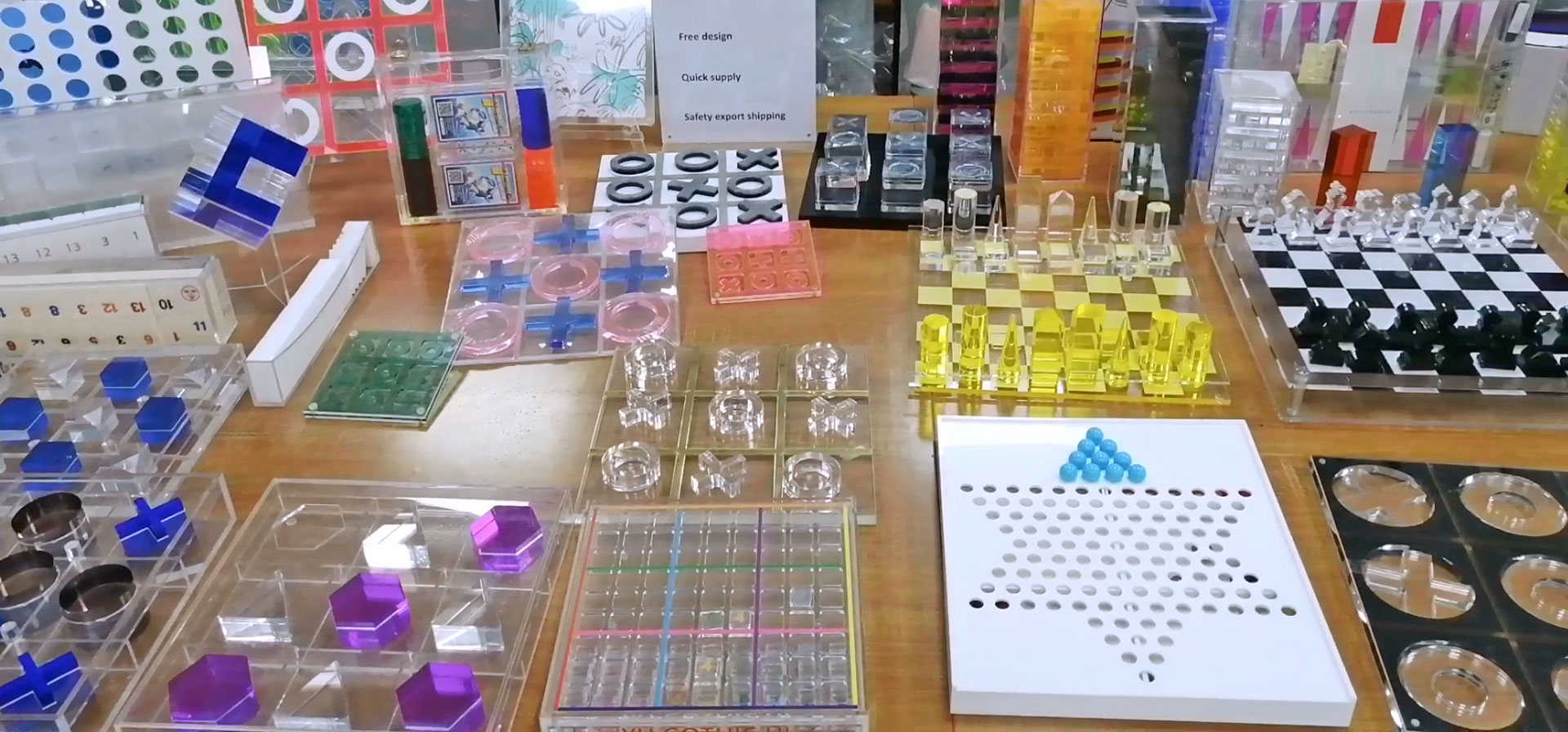
Building a sustainable custom acrylic games product line requires strategic thinking that extends beyond individual product decisions.
Brands that succeed with game product lines develop systematic approaches to product development, supplier relationships, and market positioning that create compounding advantages over time.
Understanding these long-term strategies helps buyers develop product portfolios that generate sustained business value.
Product line development involves balancing immediate market opportunities against long-term strategic positioning.
Pursuing every short-term opportunity without strategic coherence creates fragmented offerings that lack a clear market identity.
Developing focused product lines with clear positioning builds brand recognition and customer loyalty that support premium pricing and sustained growth.
Establishing Product Line Vision and Strategy
Successful product lines begin with a clear strategic vision that guides decisions across individual product development efforts. Define the specific market segment your product line will serve and the value proposition that differentiates your offerings. This strategic foundation ensures that individual products contribute to coherent brand positioning rather than appearing as disconnected inventory items.
Consider how your acrylic games product line complements or conflicts with existing product categories. Customers evaluate brands based on overall coherence, and game products should align with established brand positioning. Premium brands should develop premium game products, while value-oriented brands should pursue corresponding quality and pricing strategies.
Document strategic guidelines that govern product line development decisions. These guidelines should address quality thresholds, design aesthetics, price positioning, and target customer profiles. Referencing documented strategy prevents drift away from intended positioning as individual product decisions accumulate over time.
Category Selection and Portfolio Balance
Product line development requires thoughtful category selection that addresses diverse customer needs while maintaining strategic coherence. Evaluate game categories based on target market alignment, margin potential, and operational compatibility with your distribution capabilities. Different categories serve different purposes within product portfolios.
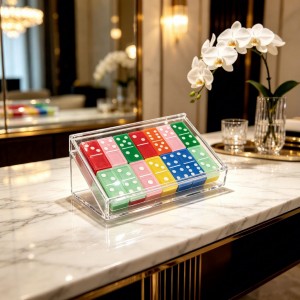
Foundation products provide a consistent baseline demand that supports stable revenue and customer acquisition. These established categories, like chess and dominoes, should anchor your product line before expanding into more specialized offerings. Develop strong foundation products before extending into riskier or more complex categories.
Growth categories represent opportunities to capture emerging demand or expand into adjacent market segments. These products require more careful evaluation since market acceptance is less certain than established categories. Invest incrementally in growth categories, scaling commitment as market validation accumulates.
Supplier Relationship Development
Long-term product line success depends heavily on supplier relationships that evolve beyond transactional purchasing. Invest in relationships with suppliers who understand your brand positioning and can support your strategic objectives. Deep supplier relationships create partnership dynamics that benefit both parties over extended timeframes.
Communication patterns that support long-term relationships differ from those appropriate for one-time transactions. Share your strategic plans with key suppliers to enable proactive support for your objectives. Request supplier roadmaps that reveal capability developments you can leverage for future products. Collaborative relationships generate mutual commitment that transactional suppliers cannot match.
Consider multi-year relationship frameworks that provide stability for both parties. Long-term supply agreements can include pricing commitments, capacity reservations, and exclusivity provisions that benefit both sides. These arrangements require trust built through successful short-term collaboration before formalizing extended commitments.
Product Lifecycle Management
Product lines require ongoing management that refreshes and optimizes offerings over time. Monitor product performance metrics, including sales velocity, margin contribution, and customer feedback that indicate optimization opportunities. Regular portfolio review ensures that product line resources focus on the highest-performing opportunities.
Product lifecycle phases include introduction, growth, maturity, and decline, which require different strategic responses. New products require marketing investment to build awareness and trial. Mature products may benefit from cost optimization or packaging refreshes that extend profitable life. Declining products should be phased out to free resources for more promising opportunities.
Coordinate product line updates with seasonal timing and marketing calendars to maximize impact. Major product introductions should align with customer buying patterns and promotional occasions. Plan lifecycle transitions well in advance to ensure smooth progression from one product generation to the next.
Brand Extension Strategies
Successful acrylic game product lines create opportunities for strategic brand extensions into adjacent categories. Customer trust established through game products can support expansion into related products like puzzles, toys, or decorative items. These extensions leverage existing brand equity while diversifying revenue sources.
Evaluate extension opportunities based on strategic fit, operational feasibility, and market attractiveness. Extensions should align with brand positioning and appeal to the existing customer base without confusing brand identity. Operational compatibility ensures that extensions can be supported with existing capabilities.
Test extension concepts through limited launches before committing substantial resources. Market validation reduces risk in new categories where experience is limited. Successful extensions can be scaled while unsuccessful ones can be discontinued without major impact on the core business.
Competitive Positioning and Differentiation
Product lines must establish competitive positioning that distinguishes offerings from alternatives in crowded markets. Analyze competitor product lines to identify positioning opportunities they have not addressed. Differentiation can derive from quality levels, price positioning, design aesthetics, or distribution exclusivity.
Sustainable differentiation requires advantages that competitors cannot easily replicate. Proprietary designs, exclusive supplier relationships, and accumulated expertise create barriers that protect differentiation over time. Avoid positioning strategies based on factors competitors can quickly match.
Monitor competitive responses to your positioning and be prepared to adapt as market dynamics evolve. Successful positioning attracts competitive entry that erodes differentiation. Ongoing innovation and improvement maintain advantages despite competitive pressure.
FAQ
How many products should a acrylic game product line include?
Optimal product line size depends on market scope, distribution channels, and operational capabilities. Most successful lines include 5 to 15 core products with selective extensions based on market demand. Focus on depth before breadth to ensure each product receives adequate attention.
How often should acrylic game product lines be updated or refreshed?
Product line reviews should occur annually with updates implemented seasonally. Visual refreshes can occur more frequently while major product changes require longer planning cycles. Balance freshness with product lifecycle optimization.
What metrics indicate product line health?
Key metrics include portfolio contribution margin, sales velocity trends, customer acquisition cost by product, and inventory turnover rates. Regular monitoring enables proactive optimization before problems become severe.
How do brands handle unsuccessful products in their lines?
Unsuccessful products should be phased out systematically to free resources for better opportunities. Avoid emotional attachment to underperforming products. Clear exit criteria should govern discontinuation decisions independent of sunk cost considerations.
Conclusion
Building a long-term acrylic games product line requires strategic discipline and systematic execution that extends beyond individual product decisions. Establish clear vision and strategy that guide product line development over time. Build supplier relationships that support strategic objectives rather than pursuing purely transactional approaches.
Manage product portfolios actively, refreshing offerings and pruning underperformers systematically. Seek brand extension opportunities that leverage established equity into adjacent categories. Establish differentiated positioning that creates sustainable competitive advantages.
JAYI: Your Trusted Acrylic Game Brand Manufacturer in China
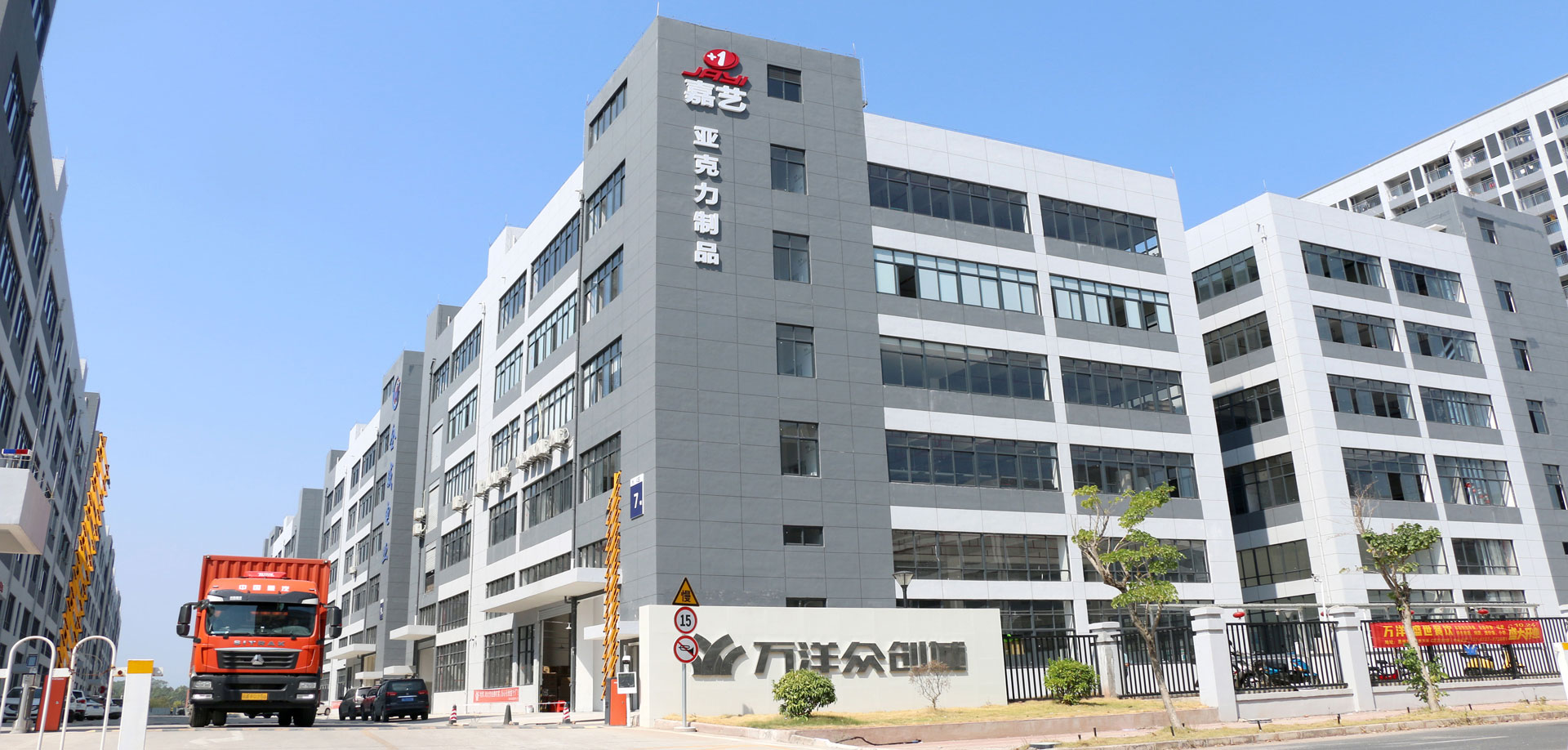
JAYI Acrylic is your trusted professional acrylic board game brand manufacturer and supplier based in China, with over 20 years of focused experience in acrylic craft production. We specialize in custom and wholesale a full range of premium acrylic games, including American Mahjong sets, chess, backgammon, tumbling tower, dominoes, and tic-tac-toe.
We provide one-stop OEM and ODM services, supporting UV printing, laser engraving, and personalized custom designs. Our factory holds ISO9001 and SEDEX certifications, implementing strict raw material inspection and full-process quality control to ensure smooth edges, high transparency, and durable texture.
We cater to global wholesalers, retail brands, and lifestyle clients worldwide. With stable production capacity, reasonable MOQ, punctual lead time, and premium finishing, we have built long-term, reliable partnerships across Europe, America, and other regions.

Cathy Qin
Cathy Qin works at Jayi Acrylic Industry Limited, focusing on custom acrylic game product management and SEO-driven content marketing for B2B wholesale and retail applications. Her work includes designing display solutions, managing customization projects, and optimizing website content to promote Jayi’s high-quality acrylic products across global digital channels.
Post time: May-07-2026