
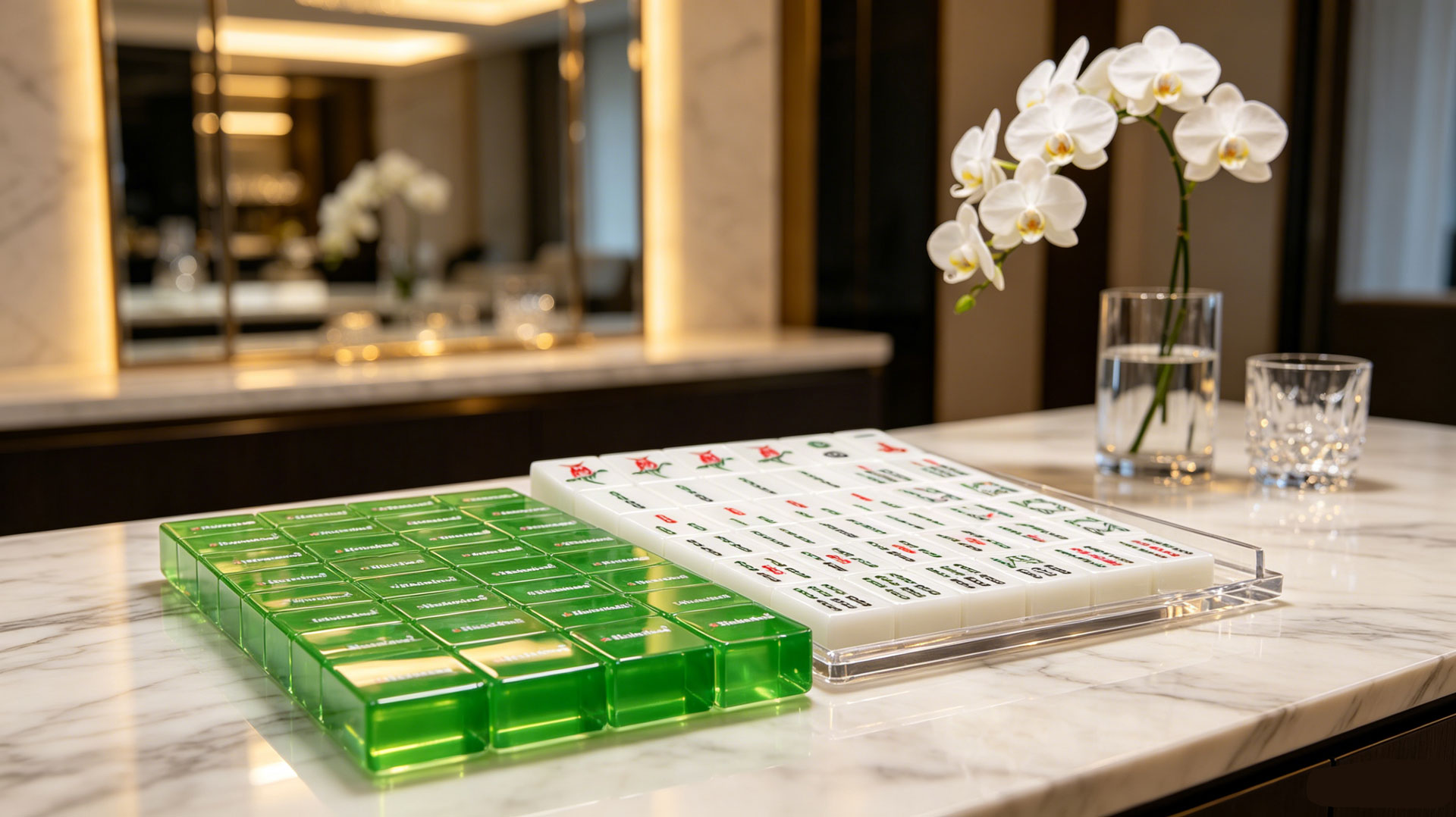
When sourcing custom American mahjong sets in bulk, the difference between a smooth production run and a costly dispute often comes down to one document: your specification sheet. A product description tells your factory what you want; a spec sheet tells them exactly how to deliver it — with measurable tolerances, defined materials, and verifiable outcomes.
This article walks through 10 specifications that belong in every American mahjong tile procurement spec, from tile body dimensions through compliance requirements.
Key Points:
• A complete spec sheet with measurable tolerances prevents the most common bulk order disputes — color drift, missing accessories, and dimensional inconsistency
• Tile dimensions, thickness, and weight cascade into packaging, freight, and player experience decisions
• Color matching and printing process selection determine brand consistency across production runs and re-orders
• Accessories and packaging specifications are frequently underspecified, causing last-minute production delays
• NMJL compliance and product safety certifications are non-negotiable for US retail entry
Why Specification Precision Matters
Every bulk acrylic mahjong order that goes wrong shares a common root cause: the buyer described the product they wanted, but did not specify the product they would accept. Color drift between production runs. Missing pushers in 30% of sets. Racks that don't fit the tile thickness. Each traces back to a spec sheet gap — a parameter assumed rather than defined.
In our production experience, a specification sheet with 10 defined parameters reduces post-production quality disputes by an estimated 60–70%. The upfront investment in spec development — typically 2–3 days of engineering review — prevents weeks of rework and negotiation after goods arrive.
At JAYI, we require a specification review before any custom American mahjong project enters tooling. This step catches configuration errors before they become 5,000 incorrect sets.
Mahjong Tiles Body Dimensions, Thickness, and Weight
Spec 1: Tile Length and Width
Standard American mahjong tiles measure approximately 30 mm × 22 mm (L × W). Enlarged formats reach 35 mm × 27 mm; oversized tiles extend to 38–40 mm × 28–30 mm. Your spec sheet should state the target dimension and acceptable tolerance — we recommend ±0.3 mm for length and width.
Dimensional precision matters beyond aesthetics. A tile that varies by more than 0.5 mm from its neighbor creates visible stacking inconsistency and tactile irregularity that players notice immediately. In bulk production, consistent dimensions depend on the cutting method: CNC-machined acrylic tiles achieve ±0.2 mm tolerance; injection-molded tiles can drift as mold wear accumulates.
Spec 2: Tile Thickness
Thickness is a separate specification from plan dimensions because it affects both handling feel and accessory compatibility. American mahjong tiles range from 13 mm (standard) to 18 mm (oversized).
The critical detail: rack slot depth must accommodate your specified tile thickness with 0.5–1.0 mm clearance. Specifying tile thickness without verifying rack compatibility is the most common accessory mismatch we encounter.
Spec 3: Tile Weight
Weight is rarely specified in procurement documents, but it directly affects perceived quality. Cast acrylic mahjong tiles at standard size (30 × 22 × 13 mm) typically weigh 8–10 g each. A complete 152-tile set weighs approximately 1.2–1.5 kg. Heavier tiles signal substance; lighter tiles can feel hollow. For premium market segments, specify a minimum per-tile weight in your spec sheet.
| Parameter | Standard | Enlarged | Oversized |
|---|---|---|---|
| Dimensions (L × W) | 30 × 22 mm | 35 × 27 mm | 38–40 × 28–30 mm |
| Thickness | 13–14 mm | 17 mm | 17–18 mm |
| Weight per Tile | 8–10 g | 14–16 g | 16–20 g |
| Set Weight (152 tiles) | 1.2–1.5 kg | 2.1–2.4 kg | 2.4–3.0 kg |
| Dimensional Tolerance | ±0.3 mm | ±0.3 mm | ±0.3 mm |
Mahjong Tiles Color System and Pattern Process Selection
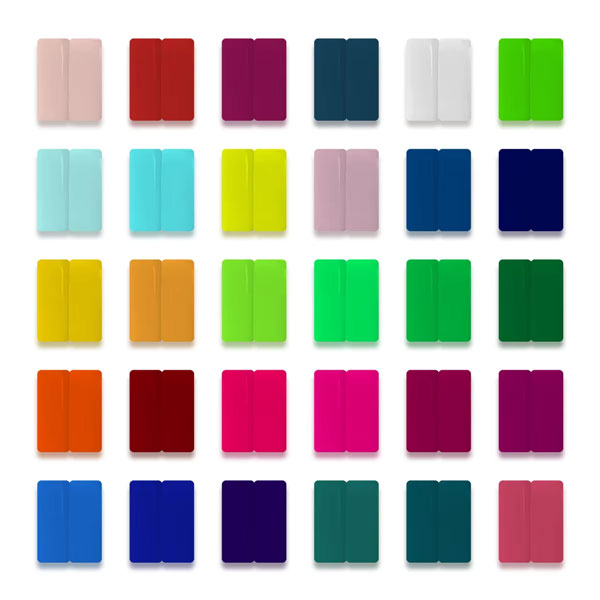
Spec 4: Color Matching and Pantone Reference
Color is the specification most likely to cause disputes between buyers and manufacturers — and the one most often left under-defined. "Blue" is not a specification. "Pantone 2945 C on cast acrylic, ΔE ≤ 1.0 against golden sample" is.
For custom American mahjong tiles, define color at three levels:
• Tile body color: The base acrylic color, matched via Pantone or custom chip. Cast acrylic with in-house Pantone matching achieves ΔE ≤ 0.5.
• Face printing color: The color of suit symbols, characters, and decorative elements. Screen printing on acrylic supports up to 8 colors per tile face.
• Edge color or accent: Optional edge tinting or accent strips that differentiate suits or add branding.
Always request a golden sample — a single approved tile serving as the permanent color reference for all current and future production runs. Lock this sample before mass production begins.
Spec 5: Printing and Engraving Process
The pattern process determines how suit symbols, characters, and decorative elements appear on the tile face. Each method produces a different visual and tactile result, and your spec sheet should specify which process applies.
| Process | Visual Result | Durability | Cost Impact | Best For |
|---|---|---|---|---|
| Screen Printing | Solid, opaque colors; up to 8 colors per pass | High — cured ink bonds to acrylic surface | Moderate | Standard retail sets; multi-color suit symbols |
| Laser Engraving | Precise, permanent cut into tile surface; no ink | Excellent — engraving is part of the tile body | Low-moderate | Joker markings; single-color logos; durability-critical elements |
| UV Digital Print | Full-color photorealistic output | Moderate — surface-level print; less abrasion-resistant | Moderate-high | Complex artwork; gradient designs; photo-realistic imagery |
| Hot Stamping (Foil) | Metallic or holographic finish | High — foil bonds under heat and pressure | High | Premium lines; metallic accents; brand logos |
For most American mahjong tile sets, screen printing for suit symbols combined with laser engraving for Joker markings delivers the durability repeated play demands while keeping per-tile cost manageable at bulk volumes. When specifying mahjong racks and pushers, ensure any printed or engraved logos on accessories use the same process specification for visual consistency across the complete set.
Spec 6: Surface Finish and Edge Treatment
Surface finish affects both visual quality and handling comfort. For acrylic mahjong tiles, the primary options:
• Diamond-polished edges: Standard for premium tiles; produces smooth, chip-free edges with optical clarity. This is our default edge treatment.
• Matte face finish: Reduces glare under bright lighting — preferred for tournament or senior-accessible sets.
• Glossy face finish: Standard for most retail sets; maximizes color vibrancy and visual impact.
Specify edge treatment and face finish separately. A polished edge with matte face is common for premium sets; a polished edge with glossy face is standard for retail.
Mahjong Accessories and Packaging Specifications
Spec 7: Accessories List
An American mahjong set is a complete game system, not just tiles. Under-specifying accessories is a frequent source of production delays and customer complaints. A full American mahjong accessory package includes:
| Accessory | Standard Spec | Customization Options |
|---|---|---|
| Racks (4) | 4-slot acrylic, sized for the specified tile thickness | Custom color, engraved logo, extra slots |
| Pushers (4) | Acrylic pusher arm attached to the rack | Integrated vs. separate; custom length |
| Dice (3) | 6-sided, standard dots | Custom color, custom face markings |
| Play Mat | Neoprene mahjong mat with stitched border | Custom size, print pattern |
| Bettor / Wind Indicator | Acrylic disc or marker | Custom design, brand logo |
| NMJL Rule Card | Current-year NMJL card | Custom-printed version with brand backing |
| Instruction Manual | Standard American mahjong rules | Custom-branded, multilingual options |
| Carrying Case | Aluminum or acrylic box with foam insert | Custom exterior, custom interior layout |
Each accessory requires its own dimensional specification and material definition. The most critical cross-reference: rack slot dimensions must match your tile thickness spec (Spec 2). We verify this automatically during our specification review.
Spec 8: Packaging Dimensions and Materials
Packaging is the last spec written and the first thing your retail buyer evaluates. Under-specifying packaging creates downstream problems unrelated to tile quality.
Define these parameters:
• Interior case dimensions: Must accommodate tiles, racks, pushers, and accessories with defined clearance. Allow 2–3 mm per tile width for easy removal.
• Insert material: EVA foam (standard and cost-effective), velvet-lined, or custom molded.
• Exterior case material: Aluminum (common for mid-premium), acrylic (premium visual appeal), or reinforced cardboard (entry-level).
• Master carton dimensions: Define units per carton and stacking configuration. A 20-foot container holds approximately 800–1,200 standard-size sets depending on case format.
• Retail-ready packaging: If your buyer requires shelf-ready packaging, specify hang-tab dimensions, barcode placement, and compliance labeling positions.
When ordering a full mahjong set specification, include packaging requirements in the same document — not as a follow-up. This prevents the common scenario where tile production completes, but packaging design is still pending, adding 1–2 weeks to delivery.
Compliance and Tolerance Acceptance
Spec 9: NMJL and Regulatory Compliance
For any American mahjong set entering US retail, two compliance layers apply:
NMJL compliance requires a minimum of 152 tiles with 8 Jokers and 8 Flowers, all marked per NMJL convention. Non-compliant sets will fail retail shelf audits. Define tile count, Joker count, and Flower tile markings explicitly in your purchase order.
Product safety compliance varies by market:
• US: CPSIA compliance for products intended for players aged 12 and under; ASTM F963 toy safety standards if classified as a game. Lead content testing per CPSC requirements applies to surface coatings and substrate materials.
• EU: CE marking and EN-71 toy safety compliance required for market entry.
• Canada: CCPSA compliance with Health Canada regulations.
Specify which standards apply to your product and require test report documentation from your manufacturer before shipment.
Spec 10: Tolerance and Acceptance Criteria
Every specification needs an acceptance threshold — the line between "meets spec" and "requires rework." Define these before production begins:
| Parameter | Recommended Tolerance | Test Method | Rejection Threshold |
|---|---|---|---|
| Tile Dimensions | ±0.3 mm | Caliper, 3-point measurement | >0.5 mm deviation |
| Tile Thickness | ±0.2 mm | Caliper, center measurement | >0.4 mm deviation |
| Color ΔE | ≤1.0 vs golden sample | Spectrophotometer | ΔE >1.5 |
| Print Clarity | Legible at 30 cm | Visual + 10× loupe | Missing or blurred characters |
| Edge Quality | No chips, cracks, or tool marks | 100% visual inspection | Any visible defect on the face or edge |
| Accessory Completeness | All items per spec | Count verification per set | Any missing component |
A documented acceptance plan gives you contractual grounds to reject non-conforming goods and gives your manufacturer clear production targets. Without one, quality disputes become subjective arguments rather than objective measurements.
JAYI's American Mahjong Tile Sets Customization and Tooling Infrastructure
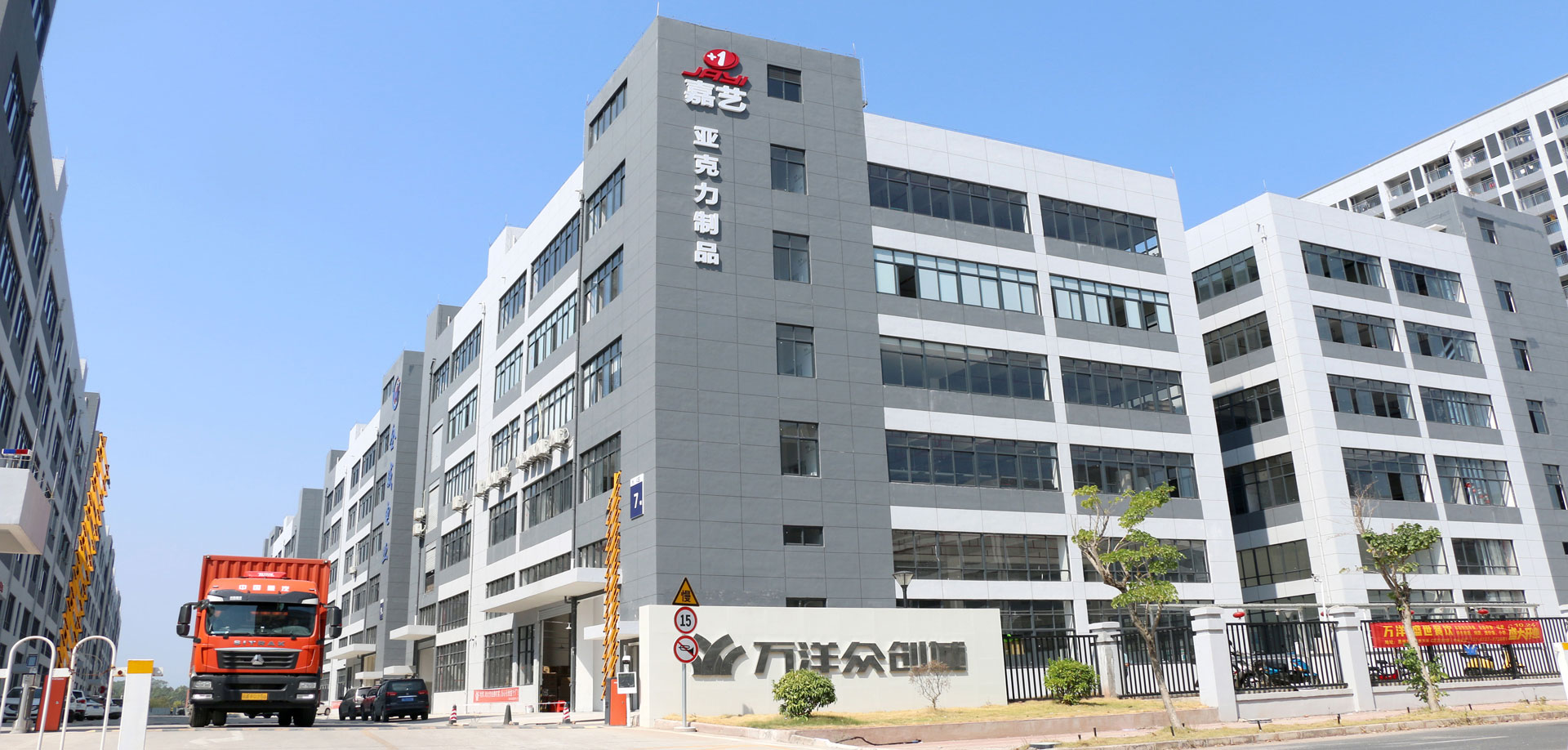
Building a complete specification sheet requires a manufacturing partner capable of executing every parameter you define. At JAYI Acrylic, our 10,000 m² facility in Huizhou, China, houses the full production chain for custom American mahjong tile sets — from raw acrylic sheet cutting through CNC engraving, diamond polishing, screen printing, assembly, and 100% full inspection.
Our in-house Pantone color matching system achieves ΔE ≤ 0.5 on cast acrylic, and our CNC tooling supports tile designs from standard 30 mm formats through oversized 40 mm configurations — all on shared precision equipment that also serves our acrylic game production line, including domino, chess, and backgammon sets.
Tooling development for a new custom tile design typically takes 5–7 days. We produce samples within 25–30 days of specification confirmation, giving your team physical reference pieces before committing to mass production. This sample-then-produce workflow is how brands, including Miss Mahjong and Sam's Club, have validated their mahjong programs through our facility — every project starts with an approved golden sample, and every re-order references that same standard.
FAQ

What specifications should be in an American mahjong tile procurement sheet?
A complete procurement spec sheet covers tile dimensions with tolerances, thickness, weight per tile, color reference with ΔE tolerance, printing and engraving process, surface finish, accessories list with individual specs, packaging dimensions and materials, NMJL tile count, and safety compliance standards. Each parameter needs a measurable acceptance threshold.
How do I specify color for custom mahjong tiles?
Define color using a Pantone reference number or approved physical sample, with a delta-E (ΔE) tolerance — ΔE ≤ 1.0 is standard for branded tiles, while cast acrylic with in-house Pantone matching can achieve ΔE ≤ 0.5. Always request a golden sample before mass production and reference it in your purchase order.
What printing process works best for American mahjong tiles?
For American mahjong tiles, engraving + printing delivers premium durability and definition. Laser engraving creates permanent, crisp grooves for jokers & logos, while screen printing fills with vibrant, fade-resistant color. This hybrid process ensures long-lasting wear, clean lines, and professional aesthetics ideal for premium custom sets.
What accessories must an American mahjong set include?
A standard American mahjong set includes 4 racks, 4 pushers, 3 dice, 1 play mat, a wind indicator or bettor, an NMJL rule card, and an instruction manual — all housed in a carrying case. Each accessory should be individually specified with dimensions, material, and any custom branding requirements.
What packaging specifications matter for bulk mahjong orders?
Define interior case dimensions with clearance for tiles and accessories, insert material (EVA foam is standard), exterior case material, master carton configuration with units-per-carton count, and any retail-ready requirements such as hang tabs or barcode placement. Include packaging in the same specification document as tile parameters.
What compliance standards apply to American mahjong tile sets?
US retail requires NMJL compliance (152-tile minimum with 8 Jokers) and may require CPSIA and ASTM F963 compliance depending on target age classification. EU markets require CE marking and EN-71 compliance. Canadian market entry requires CCPSA compliance. Specify applicable standards in your purchase order and request test reports before shipment.
Conclusion
Mastering these 10 critical specifications is the key to successful bulk procurement of custom American mahjong tile sets. Clear, measurable standards prevent disputes, ensure consistent quality, and guarantee compliance with NMJL and global safety regulations.
Partnering with a capable manufacturer like JAYI Acrylic further ensures your custom designs, color matching, accessories, and packaging are executed precisely as specified, delivering premium, retail-ready mahjong sets that meet your brand and market demands.

Cathy Qin
Cathy Qin works at Jayi Acrylic Industry Limited, focusing on custom acrylic game product management and SEO-driven content marketing for B2B wholesale and retail applications. Her work includes designing display solutions, managing customization projects, and optimizing website content to promote Jayi’s high-quality acrylic products across global digital channels.
Post time: May-30-2026