
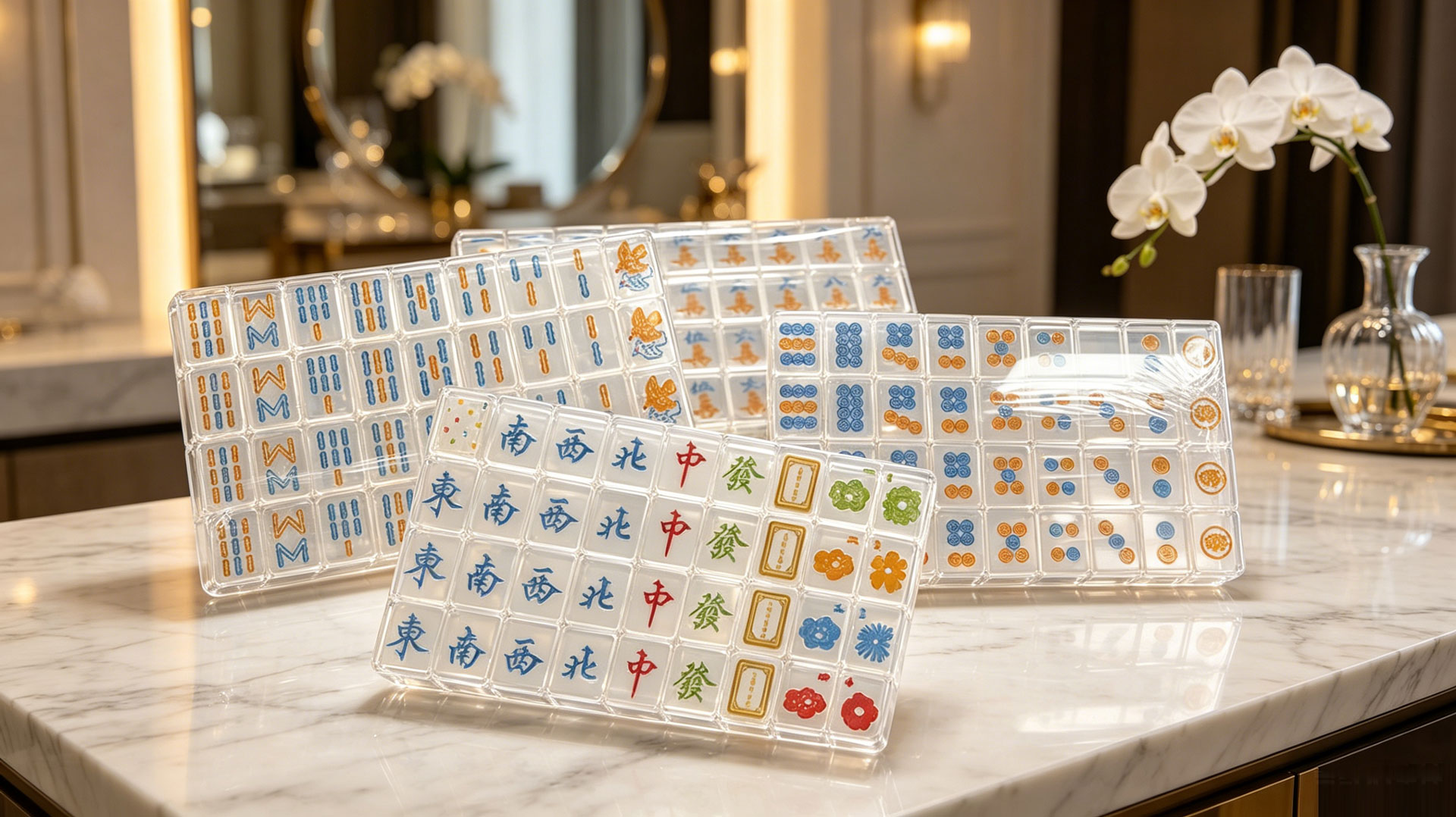
When you're a retail buyer or brand manager sourcing a custom designed American mahjong tile set, the first thing that catches most people off guard is the specification gap between American mahjong and other variants. It's a fundamentally different product category with its own tile count standards, Joker requirements, NMJL compliance obligations, and sizing conventions. Get one of those wrong, and your entire container is wrong, regardless of how good the print looks.
At JAYI Acrylic, we produce custom American mahjong sets for brands entering US retail, distributors serving community centers, and gift buyers stocking boutique stores. This guide walks you through the specifications that actually matter when buying in bulk — the engineering and compliance details that separate a successful reorder from a costly quality dispute.
Key Points:
• American mahjong requires 152/160/166 tiles depending on configuration, with 8 Jokers as a mandatory component — a critical difference from Chinese mahjong sets
• Tile size (standard, enlarged, or oversized) directly affects packaging dimensions, freight cost, and player experience
• Acrylic leads in batch consistency and first-pass yield for bulk orders, though other materials serve niche market segments
• NMJL compliance is a hardline requirement for US retail; non-compliant sets will be rejected at retail shelf audits
• A structured QC acceptance plan with delta-E color tolerance and dimensional sampling prevents costly mass production errors
Why American Mahjong Demands Its Own Specification Framework
American mahjong is not a regional variant of Chinese mahjong — it's a separate product category with its own manufacturing standards. The most critical difference is the Joker tile, absent in traditional Chinese or Japanese mahjong. A set designed for Shanghai mahjong cannot be used in American play, and the tile count reflects that structural difference.
Chinese mahjong uses 144 tiles. American mahjong starts at 152 and can extend to 166. The additional tiles — Jokers, Flowers, and optional Blanks — serve specific mechanical purposes in the NMJL hand system. If your manufacturer doesn't distinguish between variants, that's your first red flag.
At our facility, every American mahjong project begins with a specification review against NMJL rules before tooling starts — a pre-production step that catches configuration errors before they become mass production problems.
American Mahjong Tile Count and Configuration Standards
The tile count in an American mahjong set is the single most consequential specification decision. A wrong count means the set is unusable, regardless of material quality.
The Three Standard Configurations
|
Configuration
|
Total Tiles
|
Jokers
|
Flowers/Seasons
|
Blanks/Extras
|
Notes
|
|---|---|---|---|---|---|
|
152-Tile Standard
|
152
|
8
|
8 (Flowers)
|
0
|
Base NMJL-compliant set; most common in US retail
|
|
160-Tile Extended
|
160
|
8
|
8 (Flowers) + 4 (Seasons)
|
6 Blank spare tiles
|
Popular extended retail version with spare tiles and partial season tiles; mainstream alternative for North American markets
|
|
166-Tile Full
|
166
|
8
|
8 (Flowers) + 8 (Seasons)
|
6–10 Blanks
|
Full extended set; used for tournament or premium gifting markets
|
How These Configurations Break Down
Every American mahjong set starts with a 144-tile core:
• 108 Suit Tiles: 36 each of Dots, Bamboo, and Characters — numbered 1–9, 4 copies each
• 16 Wind Tiles: East, South, West, North — 4 copies each
• 12 Dragon Tiles: Red, Green, White Dragons — 4 copies each
• 8 Joker Tiles: Wild tiles required in every American set; cannot represent singles or pairs in NMJL hands
• 8 Flower Tiles: Tiles 1–8, all interchangeable in play
Configuration differences above 152 come from Season tiles, Blank spare tiles, or supplemental scoring tiles beyond the NMJL base. The 160-tile extended set adds 4 seasonal scoring tiles and 6 universal blank replacement tiles, solving tile loss and damage issues for daily use, making it a cost-effective upgrade from the standard 152-tile version.
What Each Configuration Means for Your Order
For US retail and wholesale, the 152-tile standard is the baseline. Major retailers and NMJL compliance auditors expect this configuration; a 160- or 166-tile set without market justification can raise shelf compliance questions.
For gift, premium, and tournament markets, the 166-tile full configuration carries perceived value — more tiles signal a more complete product, and these buyers are less price-sensitive.
For Canadian and Australian markets, the 160-tile extended configuration is common. These markets follow NMJL-adjacent rulesets with local adaptations that widely accept partial season tiles and spare blank tiles for daily recreational play, making it the most popular non-standard specification in these regions.
Joker Tile Requirements
The 8 Joker tiles are non-negotiable in any American mahjong set. Per NMJL rules, Jokers serve as wild cards in groupings of three or more identical tiles but cannot represent single tiles or pairs.
Define the marking method in your procurement spec: laser engraving produces a sharper, more durable result than surface printing on acrylic mahjong tiles.
Size Selection for American Mahjong Tile Sets
Tile size is where bulk buyers most frequently make decisions based on incomplete information. Physical dimensions affect three downstream variables: player experience, packaging design, and freight economics.
Standard American Mahjong Tile Sizes
|
Size Category
|
Dimensions (L × W × H)
|
Typical Use Case
|
Player Profile
|
|---|---|---|---|
|
Standard
|
~30 mm × 22 mm × 13 mm
|
US retail sets; NMJL-compliant base
|
General adult players; community center use
|
|
Enlarged (Large)
|
~35 mm × 27 mm × 17 mm
|
Senior/accessible markets; premium gifting
|
Elderly players; reduced-visibility environments
|
|
Oversized (XL)
|
~38–40 mm × 28–30 mm × 17–18 mm
|
Accessibility-focused sets; specialty retail
|
Players with limited hand mobility; therapy/rehab settings
|
Why Size Decisions Compound in Bulk Orders
Size cascades through the entire product. A set using 40mm tiles instead of 30mm requires larger racks, cases, and carton volume — reducing your unit count per 20-foot container by 15–25% and directly impacting per-unit landed cost.
At JAYI, we model these trade-offs before committing to a size spec. Custom acrylic mahjong racks pair with any tile size; always verify rack slot dimensions match your tile thickness. When specifying a custom mahjong set for bulk, include your target retail environment and player demographic in the project brief.
Thickness and Weight Considerations
American mahjong tiles are typically thicker than Chinese or Japanese counterparts, ranging from 13mm to 18mm depending on size category. Thinner tiles feel lower-cost; overly thick tiles create handling fatigue. For acrylic, we target 13.5–14mm for standard and 17–18mm for enlarged/oversized categories.
Material Comparison for Bulk Orders
Material selection for American mahjong tiles isn't primarily a performance argument — it's a manufacturing consistency and cost-structure argument in bulk. The relevant comparison factors: batch-to-batch consistency, first-pass yield, tooling cost amortization, and per-unit cost at your target volume.
|
Factor
|
Acrylic (Cast)
|
Injection Molded Plastic
|
Melamine
|
Bone/Composite
|
|---|---|---|---|---|
|
Batch Consistency
|
High — cast sheets produce uniform tile dimensions per batch
|
Medium — mold wear causes drift over high-volume runs
|
Medium — compression molding tolerance ±0.3mm
|
Low — natural material variation between batches
|
|
First-Pass Yield Target
|
95–98%
|
88–93%
|
85–90%
|
N/A (not standard commercial production)
|
|
Color Matching (ΔE Tolerance)
|
±0.5 achievable with the Pantone system
|
±1.5–2.0 typical
|
±1.0–1.5
|
N/A — dye lot dependent
|
|
Tile Edge Quality
|
Clean CNC-cut edges; no flash or gate marks
|
Gate marks visible; requires post-processing
|
Clean; slight surface texture variation
|
Smooth but irregular on natural bone
|
|
Weight
|
Moderate — tiles feel substantial without excess weight
|
Light — can feel hollow or lower-cost
|
Heavy — dense but chips under impact
|
Heavy — traditional feel; premium perception
|
|
Tooling Cost
|
Moderate — CNC tooling amortized across tile + accessory line
|
High — dedicated injection molds for tile count-specific configuration
|
Medium
|
High — hand-finishing labor dominates
|
|
Per-Unit Cost at 1,000 Sets
|
Competitive at mid-volume
|
Lower at very high volume (>5,000 sets)
|
Competitive at mid-volume
|
High — labor-intensive
|
|
Market Positioning
|
Mid-to-premium
|
Entry-to-mid
|
Mid
|
Premium/collectible
|
Why Acrylic Performs Best for Brand Buyers
For buyers sourcing 300–1,000 sets per order, acrylic delivers optimal production predictability and brand presentation.
Cast acrylic sheets provide dimensional consistency that injection molding struggles to match at mid-volume, and our in-house CNC machining and diamond polishing eliminate post-processing steps.
Melamine serves the mid-market gift segment where price is the primary lever; injection-molded plastic is cost-competitive above 5,000 sets but carries higher tooling amortization risk.
Our acrylic board game collection includes mahjong alongside domino, chess, and backgammon sets — all on shared precision tooling infrastructure.
Bulk Purchasing Quality Acceptance Standards
Every bulk mahjong tile order needs a documented quality acceptance plan before production begins. Without one, you have no contractual basis to reject non-conforming goods — and a single bad Joker tile makes the entire set defective in your retail buyer's eyes.
Dimensional QC Specifications
|
Parameter
|
Tolerance
|
Measurement Method
|
Sampling Plan
|
|---|---|---|---|
|
Tile Length/Width
|
±0.3 mm from spec
|
Caliper, 3 points per tile face
|
AQL 1.0, normal inspection level II
|
|
Tile Thickness
|
±0.2 mm from spec
|
Caliper, center of tile
|
AQL 1.0, normal inspection level II
|
|
Color Delta-E (ΔE)
|
ΔE ≤ 1.5 vs approved sample
|
Spectrophotometer
|
Every batch, reference approved golden sample
|
|
Surface Defects
|
No visible chips, scratches, or sink marks on face or edges
|
100% visual inspection under 60W fluorescent light
|
Full inspection (100% of units)
|
|
Engraving/Print Clarity
|
Characters/symbols readable at 30cm
|
Visual + 10× loupe spot check
|
AQL 2.5, 20 tiles per batch
|
|
Joker Marking Durability
|
No peeling or fading after 50-cycle rub test
|
Rub test per ASTM D5264
|
3 tiles per 1,000 produced
|
Common Bulk Quality Issues and Prevention
Color batch drift is the most frequent quality dispute. Pigment lot changes between batches can produce visible color differences. Prevention: Lock your Pantone reference before the first production run and request a golden sample as the permanent color reference.
Dimensional inconsistency within a set is game-breaking — a tile that doesn't match the thickness of the other tiles is immediately noticeable. Prevention: Confirm the manufacturer uses the same raw sheet lot for all tiles within a set.
Missing or incorrect Joker tiles are a compliance defect for NMJL sets. Prevention: define Joker count (8 is standard) explicitly in your purchase order and require pre-shipment count verification.
The 100% Full Inspection Advantage
Every custom American mahjong tile set ships with a 100% pre-shipment inspection report — unit-by-unit visual and dimensional checks across all tiles plus accessories. This adds 1–2 days to lead time but eliminates the cost of shipping defective sets.
Market-Specific American Mahjong Selection Guide
The right configuration depends on where the product will sell. American mahjong markets outside the core US have distinct preferences that don't always align with NMJL standards.
US Market (NMJL Compliance — Non-Negotiable)
The US is the dominant market for American mahjong. The National Mah Jongg League (NMJL) sets the rule framework most US players and retailers follow. Any set sold into US retail must comply with NMJL tile count and Joker requirements — non-compliant sets will fail shelf audits.
Recommended configuration: 152-tile standard, 8 Jokers, NMJL card-compatible Flower tile markings
Size preference: Standard (~30mm) or Enlarged (~35mm) for senior-accessible product lines
Material recommendation: Cast acrylic for mid-to-premium retail; melamine for entry-level
Canada and Australia (Growing Markets, NMJL-Adjacent)
Both markets have established American mahjong communities largely following NMJL rules with regional variation. Canadian buyers often prefer the 160-tile extended configuration; Australian buyers tend toward the 152-tile standard but are more open to custom branding and premium packaging.
Recommended configuration: 152-tile standard (AU) / 160-tile extended (CA)
Material recommendation: Acrylic for branded/retail sets; melamine for community center bulk orders
Gift, Promotional, and Education Markets
Gift buyers prioritize visual presentation over NMJL compliance. A 166-tile full configuration reads as more complete in a gift box. Senior living and adult day programs require larger tiles (35–40mm) and smooth, polished edges for reduced hand mobility — these buyers are highly sensitive to tile quality.
Recommended configuration: 166-tile full for gifts; 152-tile enlarged/oversized for senior-accessible sets
Material recommendation: Acrylic — lighter than melamine, with smooth, polished edges, and easier to handle.
Your Factory Partner — JAYI's Compliance and Supply Chain Credentials
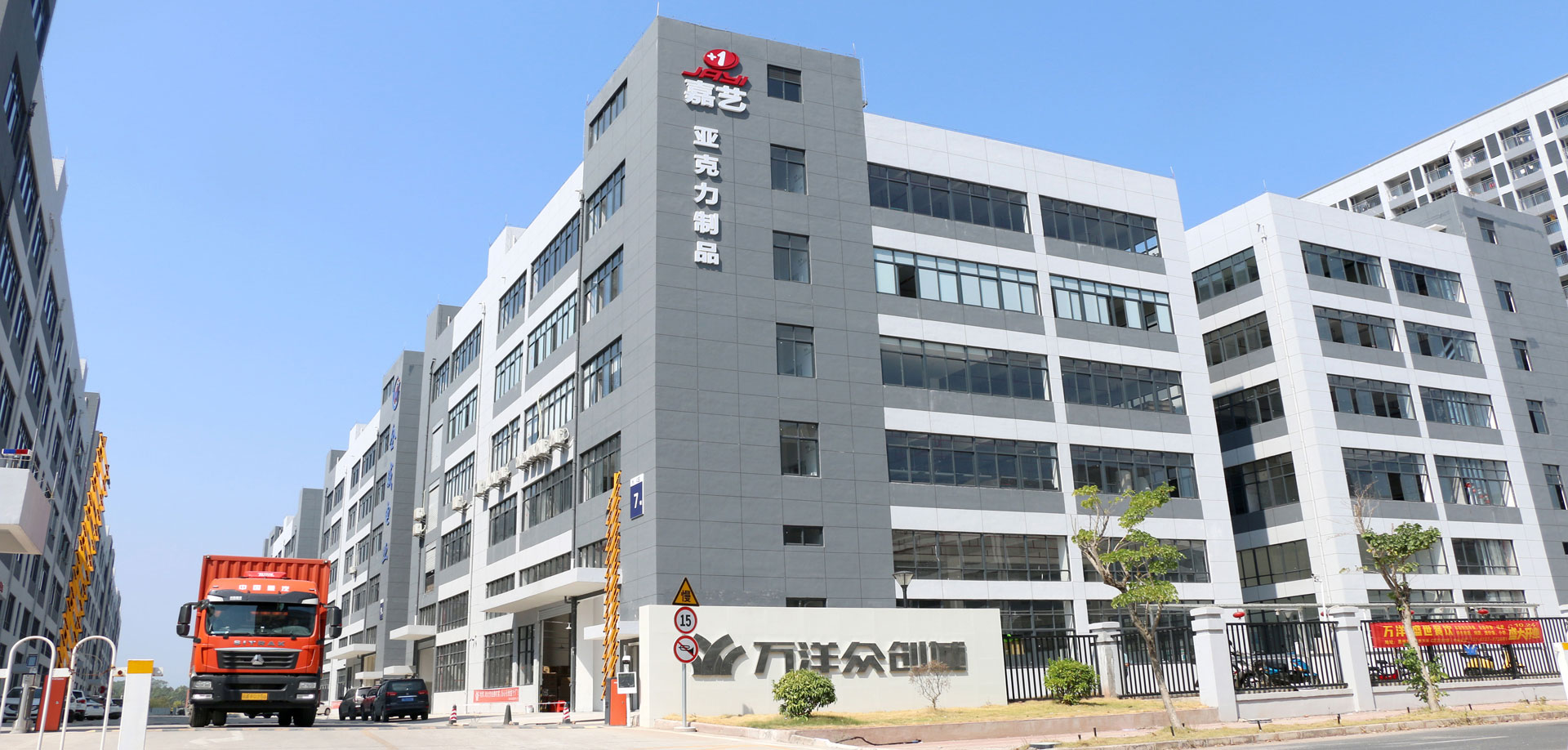
Choosing a factory for custom American mahjong tile sets means verifying your supplier can pass your retail buyer's vendor qualification process. Major US retailers run rigorous compliance audits before granting shelf space.
Our facility has passed Walmart and Target supplier qualification reviews and maintains ISO9001, SGS, TUV, BSCI, and SEDEX certifications. We support third-party inspection agencies (BV, Intertek, SGS) for factory audits and pre-shipment inspections on-site.
Every American mahjong tile set passes through our complete in-house workflow — CNC cutting, diamond-edge polishing, screen printing or laser engraving, assembly, and 100% full inspection — without subcontracting. This vertical integration delivers the batch consistency and lead time predictability that wholesale buyers require.
If you're building a private-label American mahjong line for US retail or international distribution, we can support your vendor qualification documentation, factory audit support, and samples for your buyer's internal review.
FAQ

How many tiles are in a standard American mahjong set?
A standard American mahjong set contains 152 tiles, comprising 108 suit tiles (Dots, Bamboo, and Characters), 16 Wind tiles, 12 Dragon tiles, 8 Joker tiles, and 8 Flower tiles. Extended configurations add season tiles and blank spare tiles to reach 160 or 166 tiles total.
What is the difference between 152, 160, and 166 tile American mahjong sets?
The 152-tile set is the NMJL base standard with 8 Jokers and 8 Flowers. The 160-tile extended configuration adds 4 seasonal scoring tiles and 6 blank replacement tiles for daily recreational use. The 166-tile configuration is a full extended set with complete season tiles, multiple blank spare tiles, and all 8 Jokers — typically positioned as a premium or tournament-grade product.
Does American mahjong require Joker tiles?
Yes. NMJL rules require exactly 8 Joker tiles per set. Jokers serve as wild tiles in groupings of three or more identical tiles but cannot substitute for single tiles or pairs. Each must be clearly marked — typically engraved or printed with "JOKER" or a standard symbol.
What size are standard American mahjong tiles?
Standard American mahjong tiles measure approximately 30 mm × 22 mm × 13 mm. Enlarged tiles run about 35 mm × 27 mm × 17 mm. Oversized tiles for accessibility use reach 38–40 mm in length. Always confirm dimensions with your manufacturer and verify rack compatibility.
What is an acceptable color tolerance (ΔE) for custom printed mahjong tiles?
For branded custom mahjong tiles, ΔE ≤ 1.5 is the standard tolerance against an approved Pantone reference. Cast acrylic with in-house Pantone matching can achieve ΔE ≤ 0.5. Always request a pre-production golden sample and specify your tolerance in the purchase order.
How do I verify my supplier's NMJL compliance?
Request documentation of the supplier's tile count verification process and QC inspection records showing Joker tile count compliance. Ask for a pre-shipment inspection report that explicitly confirms tile count and Joker quantity. For US retail, verify a sample set against the current NMJL rule card before approving mass production.
Conclusion
This bulk purchasing guide clarifies the three mainstream specifications of American mahjong sets: 152-tile standard NMJL-compliant version, 160-tile extended version popular in North American regional markets, and 166-tile premium tournament version. It covers core purchasing standards, including tile size, material performance, NMJL compliance, and professional QC norms.
As a qualified factory with international certifications, JAYI Acrylic provides customized OEM/ODM solutions, strict quality control, and full pre-shipment inspection, helping global buyers avoid specification errors and quality risks for stable and profitable bulk procurement.

Cathy Qin
Cathy Qin works at Jayi Acrylic Industry Limited, focusing on custom acrylic game product management and SEO-driven content marketing for B2B wholesale and retail applications. Her work includes designing display solutions, managing customization projects, and optimizing website content to promote Jayi’s high-quality acrylic products across global digital channels.
Post time: May-28-2026